Global Trade
The AI Trade Revolution: Reshaping Global Commerce
May 28, 2026
Global Trade
orway – a world leader in seafood harvesting and aquaculture – has identified Vietnam as a key partner for processing and re-exporting...
May 15, 2025By Davos Pham4 min readView as Markdown
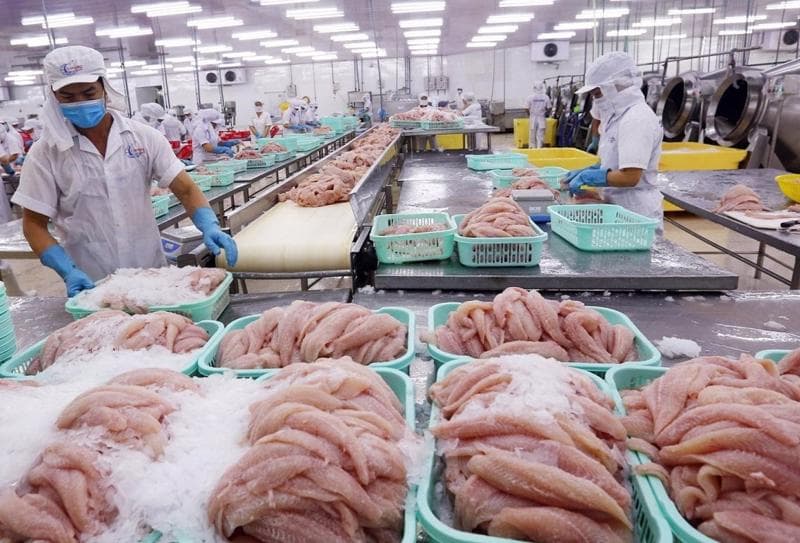
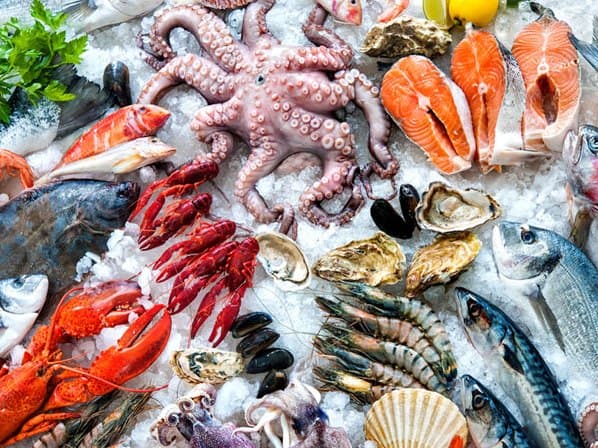
As the global agenda shifts toward sustainable development and green food supply chains, cooperation between Vietnam and Norway in the seafood sector is emerging as a promising avenue. Norway – a world leader in seafood harvesting and aquaculture – has identified Vietnam as a key partner for processing and re-exporting its products.
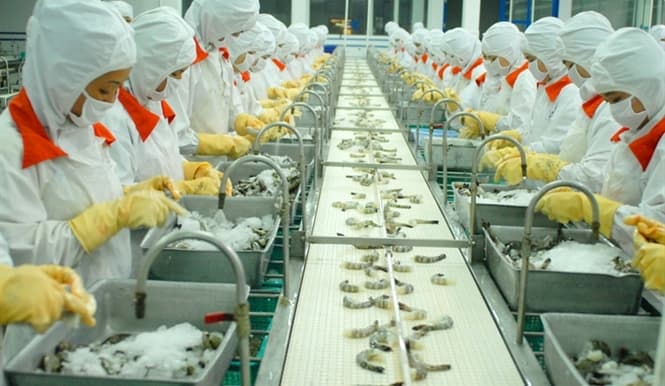
Vietnam is highly regarded for its modern infrastructure, advanced processing technologies, and skilled labor force. These advantages provide a solid foundation for Vietnam to become a high-quality seafood processing hub for international markets. The collaboration between the two nations not only brings economic benefits but also supports the development of sustainable production models – a necessary trend in the global seafood industry.
Norway possesses a distinct advantage in natural seafood resources and cold-water aquaculture. Norwegian salmon, in particular, has become a global icon for food safety and quality. In 2024, Vietnam imported over 72,000 tons of seafood from Norway, valued at USD 252 million – an increase of 20% in value and 16% in volume year-on-year, marking an all-time high.
The fact that Norwegian salmon is processed in Vietnam and then re-exported to third markets clearly demonstrates the “co-development” cooperation model. Vietnam not only consumes imported seafood but also acts as a vital processing hub, contributing significantly to the global seafood value chain.
The combination of Norway’s abundant raw materials and Vietnam’s deep processing capacity helps optimize supply chain efficiency, reduce logistics costs, and enhance the export value of seafood products. This presents a major opportunity for Vietnamese seafood processors to integrate further into global value chains.
Norway is not only a supplier but also a potential market for Vietnamese seafood products, especially shrimp and pangasius (tra fish). Some Vietnamese products have already appeared in European retail chains, marking the initial steps of Vietnamese seafood’s global expansion.
With a strong commitment to sustainable, transparent, and responsible fishing, Norway imposes high standards for traceability and food safety. This, in turn, motivates Vietnamese enterprises to improve quality and production processes to meet European benchmarks.
To expand market share in Norway and Europe in general, Vietnam must continue enhancing its value chain with digitalization, transparency, and sustainability. Once these standards are met, the market potential is significant – especially given Norwegian consumers’ growing preference for responsibly sourced seafood.
Norway is a model of sustainable fisheries management and can serve as a guide for Vietnam in lifting the European Commission’s “yellow card” on illegal, unreported, and unregulated (IUU) fishing.
Three key lessons from Norway that can be applied in Vietnam:
Looking ahead, the Norwegian Seafood Council (NSC) will continue to support Vietnamese retail and foodservice partners in bringing Norwegian seafood closer to local consumers. Activities include:
On the Vietnamese side, businesses can seize this opportunity to:
This bilateral cooperation is not just economically significant; it also contributes to enhancing the global image of Vietnam’s seafood industry – especially in an era where sustainability is increasingly valued.
Enter your email to receive the latest trade insights, guides, and HS-code explainers from EximAgent Blog.