Global Trade
The AI Trade Revolution: Reshaping Global Commerce
May 28, 2026
Global Trade
In March 2025, the Trump administration unexpectedly reimposed a 25% tariff on imported steel and aluminum, reviving a policy initially introduced...
May 14, 2025By Davos Pham4 min readView as Markdown
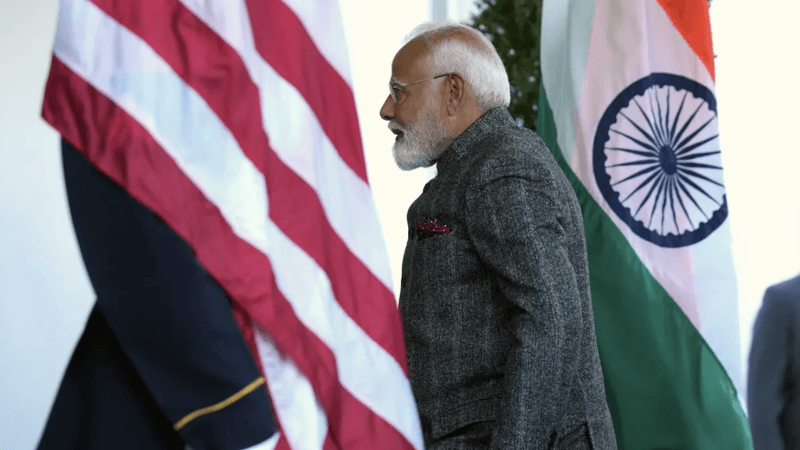
In March 2025, the Trump administration unexpectedly reimposed a 25% tariff on imported steel and aluminum, reviving a policy initially introduced during his first term in 2018. According to documents submitted to the World Trade Organization (WTO), India alone is affected with up to $7.6 billion worth of goods now subject to the tariff, amounting to approximately $1.9 billion in duties.
New Delhi quickly requested consultations under the WTO’s Agreement on Safeguards (SG), but the U.S. rejected the request, arguing the tariffs were not “safeguard measures” but rather actions taken for “national security” reasons.
This invocation of national security to bypass international trade rules has long been controversial within the WTO framework and raises concerns that it could set a precedent for other countries to erect trade barriers under similar justifications.
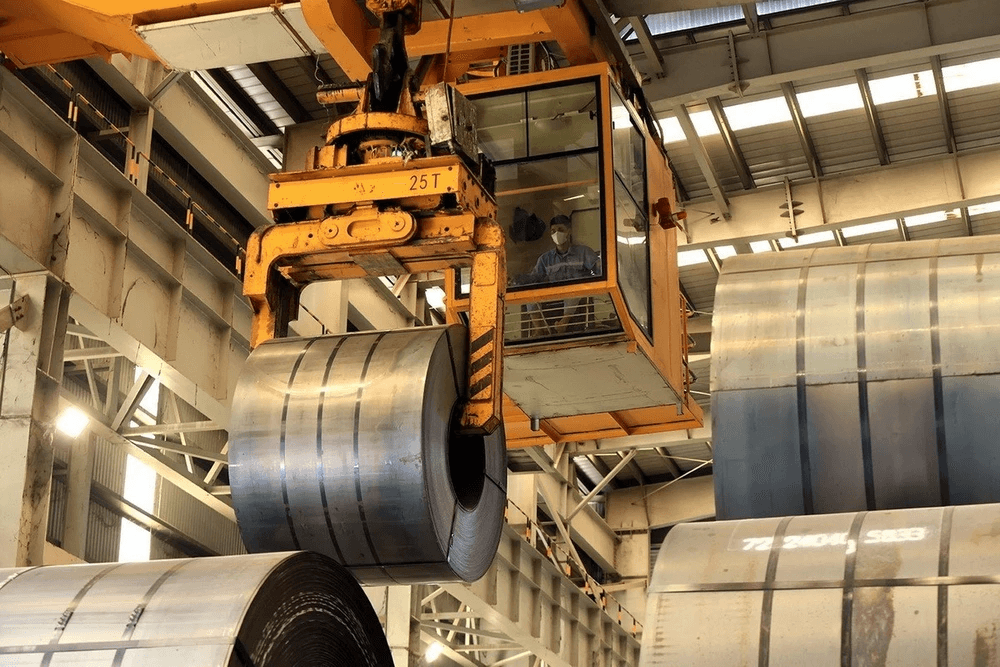
On May 12, 2025, India notified the WTO that it is considering revoking trade concessions and commitments under WTO rules, in favor of imposing retaliatory tariffs on U.S.-origin goods.
While specific products have not yet been named, analysts see this as a preemptive move designed to apply pressure ahead of further bilateral trade negotiations.
This is not the first time trade tensions have flared between the two nations. In 2018–2019, the Trump administration’s tariffs on aluminum and steel triggered India’s retaliation with additional duties on 28 U.S. products, including almonds, apples, walnuts, and technology goods. These disputes were later resolved under President Joe Biden through dialogue and WTO mechanisms.
Currently, Washington and New Delhi are negotiating a comprehensive free trade agreement, with hopes of finalizing the deal by this fall. However, India’s retaliation may derail the talks, according to experts.
Ajay Srivastava, founder of the Global Trade Research Initiative, warned:
“India reintroducing tariff threats in the middle of ongoing negotiations introduces greater uncertainty and reduces the likelihood of consensus on key terms.”
The U.S. has also expressed criticism, with former President Trump previously calling India “a tariff king” and accusing it of having “the highest tariffs in the world.” This rhetoric further diminishes hopes for a breakthrough trade deal between the two countries.
Despite the high U.S. tariffs, data from India’s Directorate General of Foreign Trade shows that the American market represents only about 3% of India’s steel exports. Major Indian steel producers such as JSW Steel, Vedanta, and Tata Steel have limited exposure to the U.S. market, ranging between 2–10%.
This relatively low dependency helps India mitigate risks from single-market exposure and accelerates its export diversification strategy. Recently, India signed a trade deal with the United Kingdom, under which 99.1% of Indian goods will enter the UK tariff-free.
Additionally, India introduced a temporary 12% tariff last month on low-cost steel imports—mainly from China—to protect its domestic manufacturers. This move reflects a broader restructuring of India's trade policy in the steel sector, balancing export growth with control over foreign imports.
For businesses and exporters worldwide, the U.S.–India trade standoff introduces new variables into the global trade environment. While it poses risks, it may also create opportunities—especially for third countries.
Opportunities:
Risks:
Enter your email to receive the latest trade insights, guides, and HS-code explainers from EximAgent Blog.