Global Trade
The AI Trade Revolution: Reshaping Global Commerce
May 28, 2026
Global Trade
Indonesia's recent announcement of its intention to cease rice imports in 2025 has caught the attention of agricultural analysts and rice-exporting...
May 13, 2025By Davos Pham4 min readView as Markdown
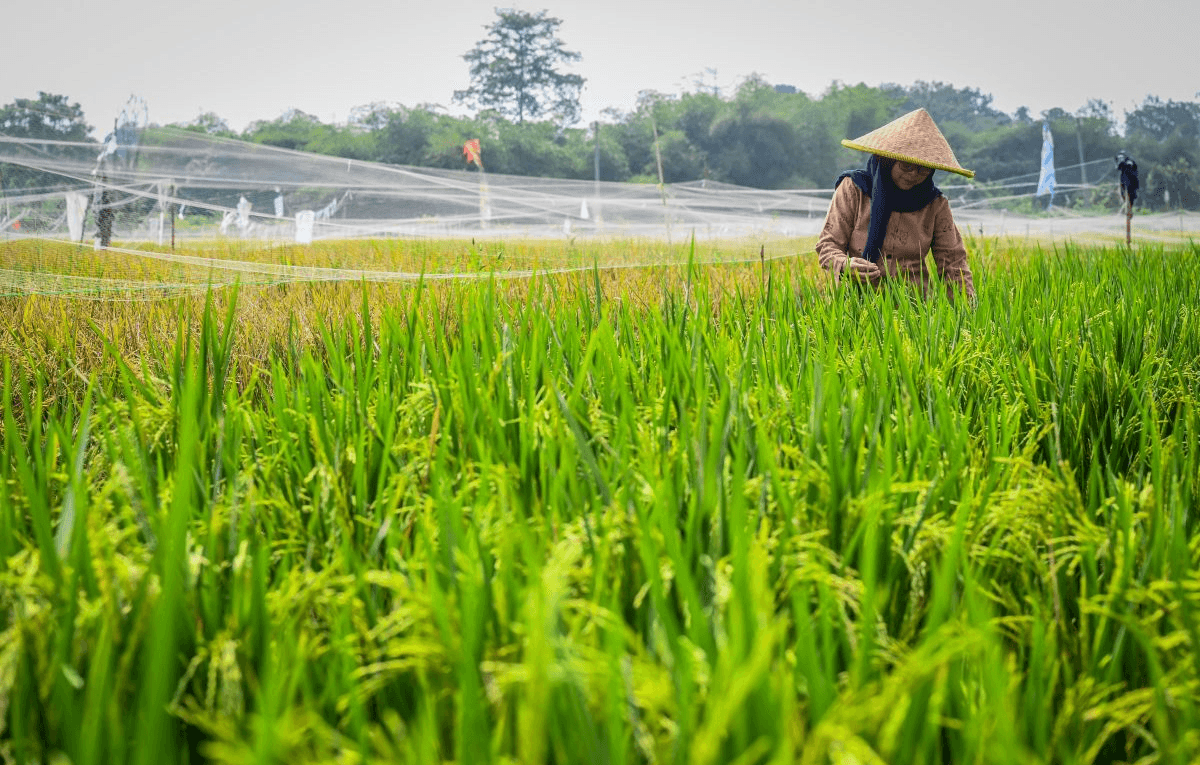
Indonesia's recent announcement of its intention to cease rice imports in 2025 has caught the attention of agricultural analysts and rice-exporting nations around the world. As one of the top rice-importing countries in Southeast Asia, Indonesia’s move raises important questions: Is this a turning point in regional food trade? And how might this decision impact global rice markets?
This article explores the implications of Indonesia’s policy shift, its potential effects on exporters like Vietnam, and how global rice supply chains might adjust.
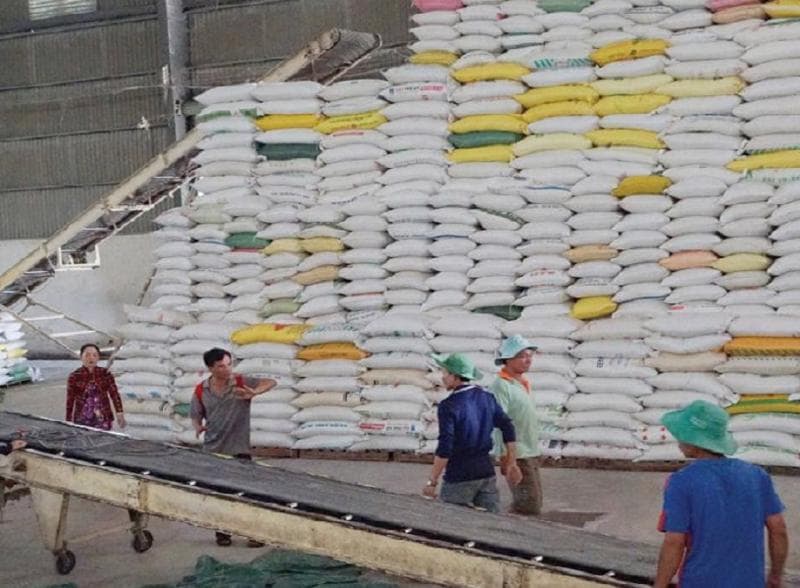
Indonesia’s Ministry of Agriculture recently revealed that the country aims to stop importing rice in 2025 — for the first time in decades. This comes amid a significant increase in domestic rice production, projected to reach 32.8 million tons this year and possibly exceeding 33.8 million tons by 2026. National stockpiles are also reportedly sufficient to meet domestic consumption.
This shift is part of President-elect Prabowo Subianto’s broader strategy to boost food self-sufficiency and reduce reliance on imports. From Indonesia’s perspective, this is a positive step toward greater food security. However, for countries that rely on exporting rice to Indonesia — such as Vietnam, India, and Thailand — it signals a key market shift worth watching closely.
While Indonesia has been a notable importer, most of its rice purchases fall into the lower-grade white rice category. These varieties are not the main focus for premium rice exporters such as Vietnam or the U.S., which increasingly specialize in high-quality fragrant and specialty rice.
Key context:
As a result, while Indonesia’s exit may slightly reduce global demand for lower-tier rice, it is unlikely to trigger a significant surplus or price collapse for higher-quality rice producers.
As of April 2025, Vietnam’s average rice export price had declined by 20% year-over-year, with total export revenue falling 14.3% to $1.75 billion. Some speculated that Indonesia’s decision was to blame. But industry experts suggest otherwise.
Main factors include:
In short, the price adjustment reflects broader market normalization rather than a direct consequence of Indonesia’s policy.
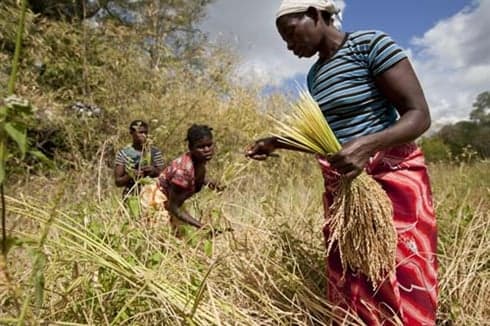
Indonesia’s reduced import role presents an opportunity for rice exporters worldwide to recalibrate their market strategies. Countries focusing on premium or value-added rice products may find better returns in markets with higher purchasing power or long-term demand stability.
Emerging and established markets to watch:
To succeed in these markets, exporters must invest in:
According to FAO and industry analysts, the global rice market is entering a period of relative stability, supported by record production and strong reserves.
Key forecasts:
Indonesia’s plan to halt rice imports reflects a broader global trend toward food sCelf-sufficiency. But for the international rice trade, it is not a cause for alarm — rather, it signals the need for greater adaptability and market diversification.
What exporters should focus on next:
With the right strategy and innovation, major rice-exporting nations can continue to thrive — not despite market shifts like Indonesia’s, but because of how they respond to them.
Enter your email to receive the latest trade insights, guides, and HS-code explainers from EximAgent Blog.