Global Trade
India April Exports Hit 4-Year High; Trade Deficit Widens to $28.38B
May 15, 2026
Global Trade
Discover how an AI Agent for Global Trade reshapes international commerce by automating partner identification, verification, and negotiations.
May 28, 2026By Davos Pham17 min readView as Markdown
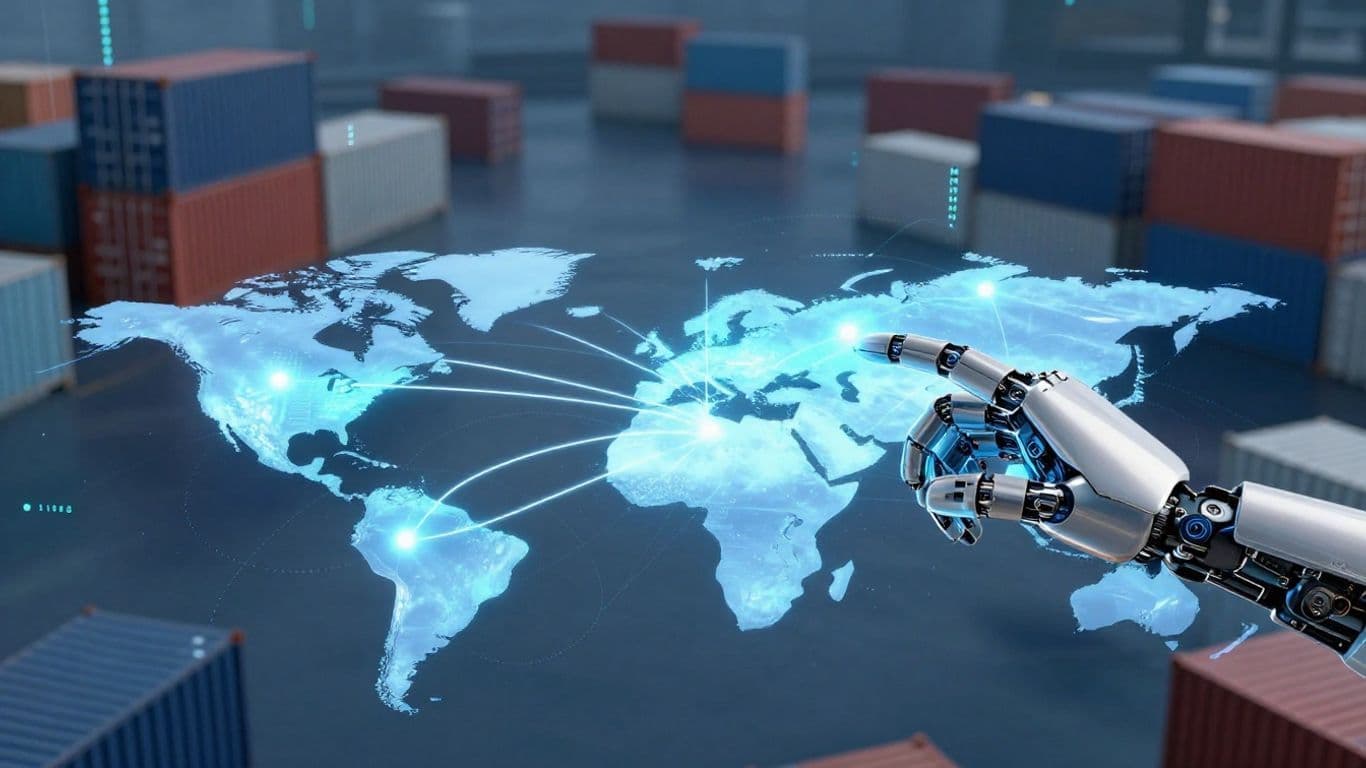
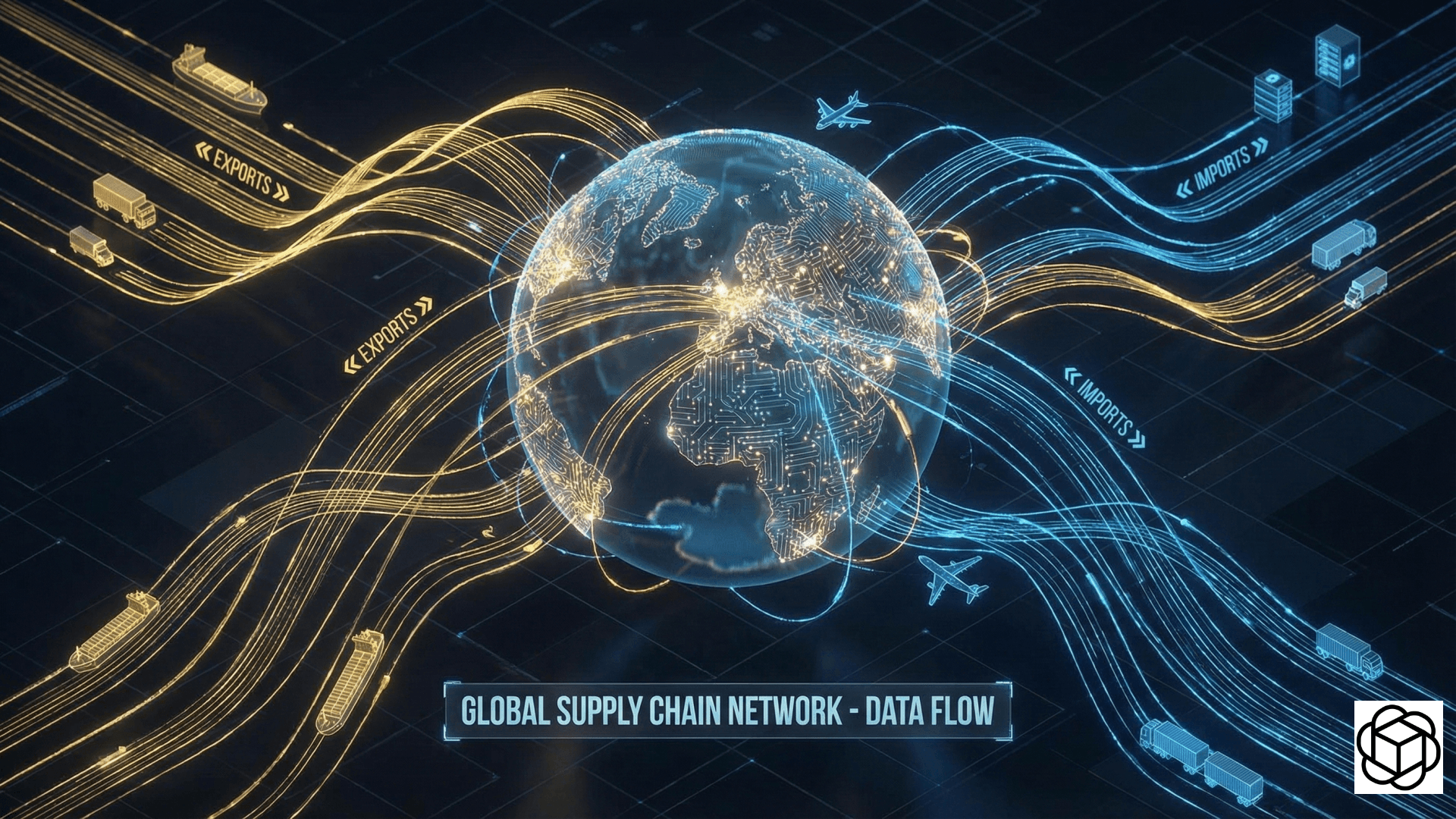
The world of international trade is changing fast. New rules, unexpected costs, and the sheer speed of business mean companies need smarter ways to operate. That's where an AI Agent for Global Trade comes in. Think of it as a super-smart assistant that can help businesses understand complex trade situations, manage their shipments better, and even find ways to save money. This article looks at how these AI tools are changing how we buy and sell across borders.
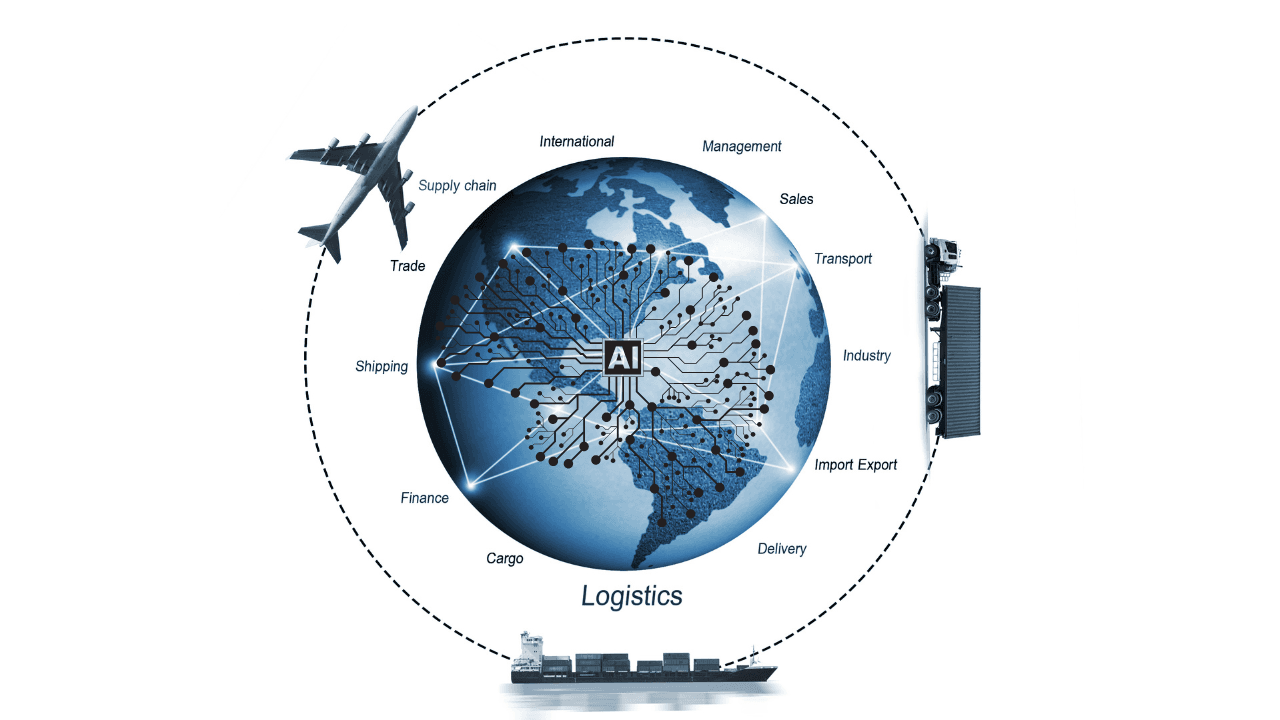
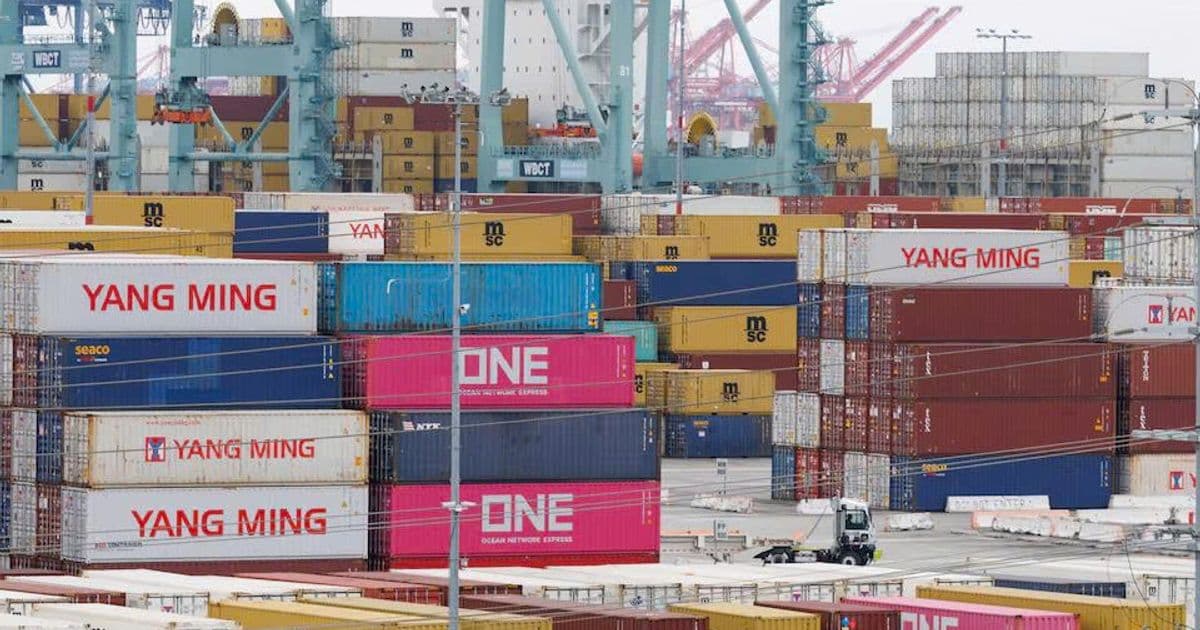
The world of international commerce feels like it's constantly shifting these days. One minute, tariffs are one way, and the next, they've changed completely. It’s enough to make anyone’s head spin. Trying to keep up with all these policy changes, especially with things like the recent tariff pauses and escalations, is a huge headache for businesses. Traditional ways of managing logistics just aren't cutting it anymore when the rules of the game change so fast.
AI agents are becoming really important for businesses trying to stay ahead of these constant shifts. Instead of just reacting to every new tariff or trade rule, these smart systems can actually help companies turn potential problems into advantages. They look at the big picture, considering everything from shipping costs to potential policy changes, to find the best way forward. This means companies can keep their operations running smoothly even when things get complicated.
Dealing with tariffs is a major challenge. Many companies have started stocking up on extra inventory to avoid higher costs later on. While this might seem like a good idea in the short term, it ties up a lot of money that could be used for other things. AI agents help fix this by looking closely at shipping routes and how reliable different carriers are. They use past data to figure out the best and most consistent ways to move goods. This intelligence lets businesses reduce the amount of extra stock they need, freeing up cash and making their supply chains much tougher against unexpected costs. It's about being smart and prepared, not just reacting.
It’s tough when trade policies are all over the place. You have tariffs that are paused, some that are the standard rate, and others that have gone way up. This kind of uncertainty makes it hard to plan anything. AI agents can help by creating supply chains that can adapt to these changes without messing up how things work. They analyze all the different factors involved in getting goods from one place to another, not just the tariffs themselves. This allows businesses to keep operating efficiently and stay competitive, even when the global trade rules seem to change daily. It’s a smarter way to handle the unpredictability of international trade [a23b].
The key is to move beyond just reacting to tariff changes. Businesses need systems that can anticipate and adjust to evolving trade policies. This proactive approach, powered by AI, builds a more stable and predictable flow of goods, which is vital for long-term success in the global market.
The world of international shipping is always a bit of a puzzle, and lately, it feels like the pieces are constantly changing. With tariffs shifting and new trade policies popping up, just getting goods from point A to point B efficiently has become a real challenge. This is where an AI agent for global trade really starts to shine, helping businesses make sense of the chaos and actually save money.
Lots of companies have been stocking up on extra inventory, thinking it's a good way to get ahead of rising costs from tariffs. It makes sense on paper, but it also means a ton of cash is just sitting in warehouses, not doing anything productive. An AI agent can help fix this. By looking at how reliable different shipping routes and carriers are, and by keeping a close eye on shipments, these systems can help companies feel more confident about holding less stock. This means more working capital is available for other things, like investing in new products or expanding the business.
This intelligence allows companies to reduce safety stock, freeing up capital that can offset some of the tariff impact. For example, auto parts makers dealing with unpredictable delivery times can use AI to find carriers and routes that consistently deliver on time. It’s about making smarter choices based on real data, not just guessing.
Choosing the right way to ship goods – whether by air, sea, or a combination – is a big decision. Often, companies default to faster, more expensive options when a slower, cheaper method would actually work just fine, especially if they plan ahead. An AI agent can look at all the factors: how urgent the shipment is, current inventory levels, how carriers are performing, and even real-time cost changes. It then picks the best mix of shipping methods to balance speed and cost. This is super important when tariffs are making everything more expensive. For instance, a company might shift non-urgent parts from air freight to a sea-air combination, while keeping critical items on pure air freight. This way, they still meet delivery promises without breaking the bank on shipping costs. It’s about finding that sweet spot. You can even look into green transportation incentives that might be available to cut costs further while helping with sustainability reports.
Figuring out where to get materials from is another area where AI agents are making a big difference. Instead of just sticking to old suppliers, an AI can look at sourcing from different countries, calculating the total cost including all tariffs, shipping, and other fees. This helps businesses find the most cost-effective places to get their goods, especially when tariffs are unpredictable. It’s about building a supply chain that can adapt. The system can simulate thousands of different sourcing options, showing the exact costs for various origin-destination pairs and shipping methods. This kind of detailed analysis helps companies make smarter procurement decisions as tariff costs change, making their supply chains more resilient. AI agents are revolutionizing the logistics industry by moving beyond theoretical promise to deliver tangible results.
The constant changes in trade policy and tariffs mean that traditional logistics planning just isn't enough anymore. Businesses need systems that can adapt on the fly, analyze complex data, and make smart recommendations to keep costs down and operations running smoothly. An AI agent provides this adaptive capability, turning potential problems into opportunities for efficiency and savings.
International trade talks can get pretty complicated, right? It feels like everyone's trying to figure out the best deal for themselves, and sometimes it seems like progress stalls. But what if we had a smarter way to look at all the moving parts? That's where AI agents come into play. They can really help us get a better handle on what might happen.
Think about trade negotiations. Before AI, negotiators relied on educated guesses and historical data, which is fine, but not always enough. Now, AI can crunch massive amounts of economic data. It can look at how different countries might react to proposed trade agreements, considering things like tariffs, market access, and even political stability. This allows for more informed decision-making, moving beyond simple projections to complex scenario planning. It’s like having a super-powered crystal ball for economic futures. For instance, AI can model how changes in trade policy might affect specific industries or consumer prices, giving negotiators a clearer picture of potential outcomes. This kind of analysis can be a game-changer for understanding the potential impact of various trade policies.
When countries sit down to negotiate trade deals, AI can be a silent partner. It can analyze the economic situations of all parties involved, looking at growth patterns and potential impacts of different trade scenarios. This helps negotiators understand each other's positions better and find common ground. It's not about replacing human diplomats, but giving them better tools. Imagine an AI that can quickly assess the economic consequences of a proposed tariff reduction for multiple countries simultaneously. This kind of capability can speed up talks and lead to more balanced agreements. Some countries are already exploring this, like Brazil's initiative to use AI in trade discussions. The goal is to make these complex discussions more productive and less prone to deadlock, potentially leading to more favorable outcomes for all involved. This technology can help streamline the process of designing and deploying AI agents for cross-border trade functions.
As AI itself becomes a bigger part of global commerce, we also need to think about the rules governing it. Trade agreements and international standards need to keep pace. For example, how do we handle data privacy when AI systems need global data to learn? Or what about technical standards for new AI-driven products? Trade rules can help by promoting global data access for AI training, which is vital for developing better AI systems. They can also encourage common standards, making it easier for AI technologies to spread across borders. Without clear rules, we might see trade barriers pop up that slow down AI development. It's a bit of a feedback loop: AI helps trade, and trade rules help AI grow. We need to make sure these rules don't accidentally create hurdles, like forcing companies to share their source code just to do business, which can really stifle innovation. The development of tools like Accio Agent shows how AI is already changing the landscape, and trade rules need to adapt.
Artificial intelligence isn't just helping companies run smoother—it’s changing where value comes from and how businesses are organized across the globe. Here's a closer look at how AI is shaping today’s global value chains.
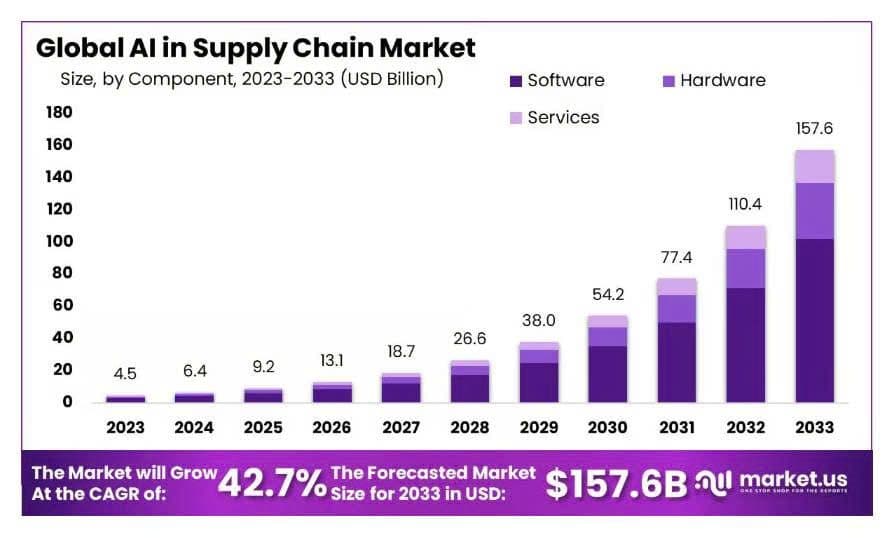
AI-powered prediction models can flag changes in consumer behavior or supply challenges much earlier than before. With smarter data analysis, companies can spot problems—like raw material delays or sudden demand spikes—much faster. This means:
Smart forecasting helps businesses make decisions quickly, instead of reacting too late after the damage is done.
Running a factory network is tough when equipment and people are scattered across countries. AI ties all these moving parts together, optimizing tasks like warehouse management and process scheduling. For example, smart systems can:
Here’s a quick look at what changes:
Approach | Before AI | With AI |
|---|---|---|
Production Planning | Mostly manual | Automated + predictive |
Asset Management | Reactive maintenance | Preventive + scheduled |
Supply Chain Links | Siloed data | Integrated real-time |
AI makes it easier to keep the whole network humming, even when markets shift fast. For a deeper dive, the way artificial intelligence is fundamentally altering global value chains is worth a look (further reading).
The more repetitive or physically demanding a task is, the easier it is for robots to take over. Guided by AI, robots in warehouses pack, sort, and inspect goods with fewer mistakes. This shift leads to:
Some jobs will shift as robots step in, but new roles appear—like monitoring these systems or troubleshooting sudden failures. Companies can grow faster and get products to customers sooner, especially as AI and robotics keep evolving.
All in all, global value chains are getting more interconnected and resilient, and AI is making this transition faster and smarter than ever before.
It's easy to talk about AI in theory, but what does it actually look like on the ground? Turns out, AI is already making a big difference in how goods move around the world. We're seeing practical uses that are cutting down on confusion and saving businesses time and money.
Remember when language barriers felt like a huge wall? AI is starting to chip away at that. Machine translation tools, for instance, are making it much easier for businesses to sell their products in new markets. Think about it: if a customer can read about your product in their own language, they're way more likely to buy it. One study showed that after implementing a machine translation service, exports to Spanish-speaking regions saw a significant jump. This kind of technology effectively shrinks the perceived distance between countries, opening up new customer bases. It's not just about translating words; it's about building connections and making international sales feel more local.
Dealing with trade rules and regulations can be a real headache. There are always new requirements, especially with things like government procurement rules or retailer delivery deadlines. Missing these can lead to hefty fines and penalties. AI agents are stepping in here to help. They can keep an eye on shipments in real-time, flag potential issues before they become problems, and even suggest what to do next. This means companies can better manage complex rules, like those for imports, and make sure their shipments meet all the necessary standards. It's about avoiding those costly mistakes that can really hurt a business's bottom line.
The complexity of international trade regulations often leads to unexpected costs. AI systems can automate much of this oversight, reducing the human error that often results in fines.
This is a pretty neat trick AI is enabling. Sometimes, there are short periods before new tariffs or duties kick in. If a company can predict these windows accurately, they can rush shipments through to avoid the extra costs. AI's ability to analyze vast amounts of data and predict these changes means businesses can potentially save a lot of money. It's like having a crystal ball for trade policy, allowing for smart, timely decisions that directly impact profitability. Companies like Alibaba and DHL are already using AI to get a better handle on these kinds of trade operations [8522].
Here's a quick look at how this might play out:
Scenario | Action Taken | Potential Savings |
|---|---|---|
Upcoming Tariff Increase | Expedite shipment before new rate applies | High |
Trade Agreement Change | Adjust sourcing strategy to minimize impact | Medium |
Regulatory Update | Ensure compliance documentation is current | Low (Avoids Fines) |
Data matters a lot when it comes to making AI work for international trade. How you get the data, where it's allowed to go, and what machines can learn from it all play a part. Without the right info, AI can't spot patterns, suggest smarter routes, or react fast enough when something weird happens in global supply chains. Let's look closer at what makes data so important for AI in trade.
Some countries are making laws so that data created within their borders has to stay within those borders. The idea here is to keep info safe and protect people’s privacy, but it also slows down AI work when the data can't be shared or accessed globally.
When data can't cross borders easily, it slows down how quickly AI agents can react and learn from international trade events.
International trade rules are still catching up to these new challenges. Right now, businesses often have to balance privacy laws with their need for global data access, and this isn't always simple.
If you want good AI, you need lots of diverse information. Training an AI on just one country's data won't work: it won't spot differences in demand from Asia versus Europe, or know about unusual supply chain issues from South America. Global data access means:
Here's a simple table to show the difference:
Training Data Scope | Quality of AI Predictions | Flexibility in Trade Decisions |
|---|---|---|
Local only | Low | Limited |
Regional | Medium | Moderate |
Global | High | Broad and responsive |
AI for trade isn’t just about storage or emails—it’s about making sense of huge piles of numbers, shipping labels, payment records, and new laws. Machine learning helps find patterns you’d never spot on your own:
To make these predictions, AI needs both volume and variety in the data:
In short, the more open and accessible the information, the smarter trade-focused AI can get. As laws keep changing, everyone in global trade—from huge companies to solo importers—will have to rethink how they gather, store, and share business data.
If you're interested in how AI and trade connect to economic growth, AI's impact on international trade productivity is worth exploring further.
So, what does all this mean for the future of buying and selling across borders? It's pretty clear that AI isn't just a fancy tech buzzword anymore; it's becoming a real tool that's changing how businesses operate globally. From making sure shipments get where they need to go without a hitch, even when rules change, to helping companies figure out the best places to get their materials from, AI agents are stepping up. It’s like having a super-smart assistant that can crunch numbers and spot problems before they even happen. While there are still kinks to work out, like making sure everyone has access to the data needed to train these systems, the direction is set. Companies that start using these AI tools now will likely find themselves ahead of the game, better prepared for whatever the global market throws their way.
Think of an AI agent as a super-smart computer program. For global trade, it's like a digital helper that can understand all the complicated rules, prices, and shipping routes involved when countries trade with each other. It uses artificial intelligence, which is like teaching computers to think and learn, to make smart decisions about buying, selling, and moving goods across borders.
Global trade can be unpredictable, with sudden changes in rules or prices. An AI agent can help by watching these changes closely. It can figure out new ways to ship things or find different places to buy goods from so that unexpected problems don't cause big delays or cost too much money. It's like having a weather forecaster for trade that helps you prepare for storms.
Yes, definitely! AI agents can look at all the different ways to ship items, like by boat, plane, or truck, and choose the best one based on how fast you need it and how much it costs. They can also help companies buy just enough supplies without having too much extra stuff sitting around, which saves money and makes more cash available for other things.
When countries talk about trade rules, AI can help by looking at lots of information about their economies. It can help predict what might happen if they agree to certain rules, making the talks smoother and helping leaders make better choices that benefit everyone involved.
Data localization means that certain information has to be stored and processed within a country's borders. For AI to work well in trade, it needs access to lots of data from all over the world to learn and make good predictions. When data is stuck in one place, it's harder for AI to get the full picture, which can make it less effective.
Absolutely! AI is already used for things like instantly translating languages so businesses can sell to customers in other countries more easily. It also helps companies follow all the complex trade rules, avoiding fines. Some AI can even help businesses quickly ship goods before new taxes or tariffs kick in, saving them a lot of money.
Enter your email to receive the latest trade insights, guides, and HS-code explainers from EximAgent Blog.