Global Trade
The AI Trade Revolution: Reshaping Global Commerce
May 28, 2026
Global Trade
Leverage HS code intelligence for smarter global trade classifications. Automate, improve accuracy, and reduce costs with AI-driven solutions.
April 14, 2026By Davos Pham13 min readView as Markdown

Dealing with product codes for international shipping can feel like trying to solve a puzzle with missing pieces, especially with rules always changing. It's easy to get tripped up by different country rules or sudden shifts in tariffs. This is where HS code intelligence comes in, offering a smarter way to handle these complexities. It helps make sense of the chaos, so your business can move goods across borders more smoothly and with fewer headaches. Closing deals in trade compliance requires precision selling to address specific buyer pain points.
Product classification. It sounds simple enough, right? You sell a thing, it gets a code. But in the world of global trade, it's anything but. The Harmonized System (HS) code is supposed to be this universal language for customs, but the reality is a tangled mess of rules, changes, and country-specific quirks. This isn't just about getting a product from point A to point B; it's about doing it compliantly and without breaking the bank.
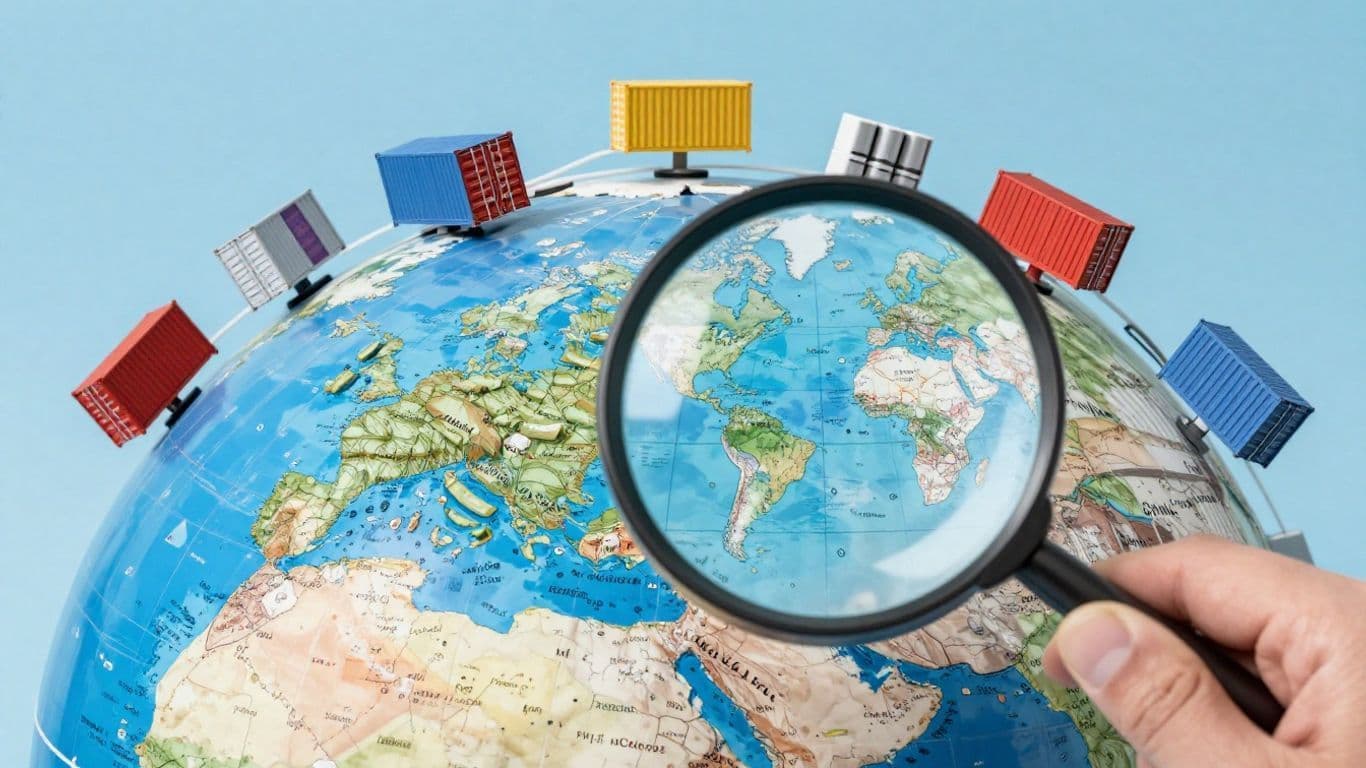
Tariffs aren't static. They shift, sometimes weekly, based on trade agreements, political situations, or economic policies. Imagine you've got a shipment ready to go, and suddenly the duty rate doubles. That's not just a small bump; it can wipe out your profit margin entirely. Companies are reporting that tariff volatility is one of the biggest headaches they face. It means the codes you used yesterday might be wrong today, leading to unexpected costs or, worse, penalties.
Customs regulations are constantly being updated. It's like trying to hit a moving target. New rules pop up, old ones get tweaked, and staying on top of it all across different countries feels impossible. Trade professionals working across multiple markets routinely find that classification requirements can shift with little notice — making manual processes a significant liability. If your classification process can't keep up, you risk audits, fines, and major delays. It's a constant race to stay compliant.
Even though the HS code system is international, each country adds its own layer of interpretation and specific requirements. What's classified one way in Germany might be different in Brazil, even if the product itself is identical. In the U.S. alone, importers work with the Harmonized Tariff Schedule (HTS), which builds on the 6-digit HS system with additional subcategories — a distinction that catches many businesses off guard. Getting these country-specific details wrong can lead to serious problems at the border. It requires a deep dive into each market's unique rules, which is a huge undertaking.
The sheer volume of data and the speed at which it changes make manual classification a losing game. It's a process that's ripe for errors, costing businesses significant amounts of money and time.
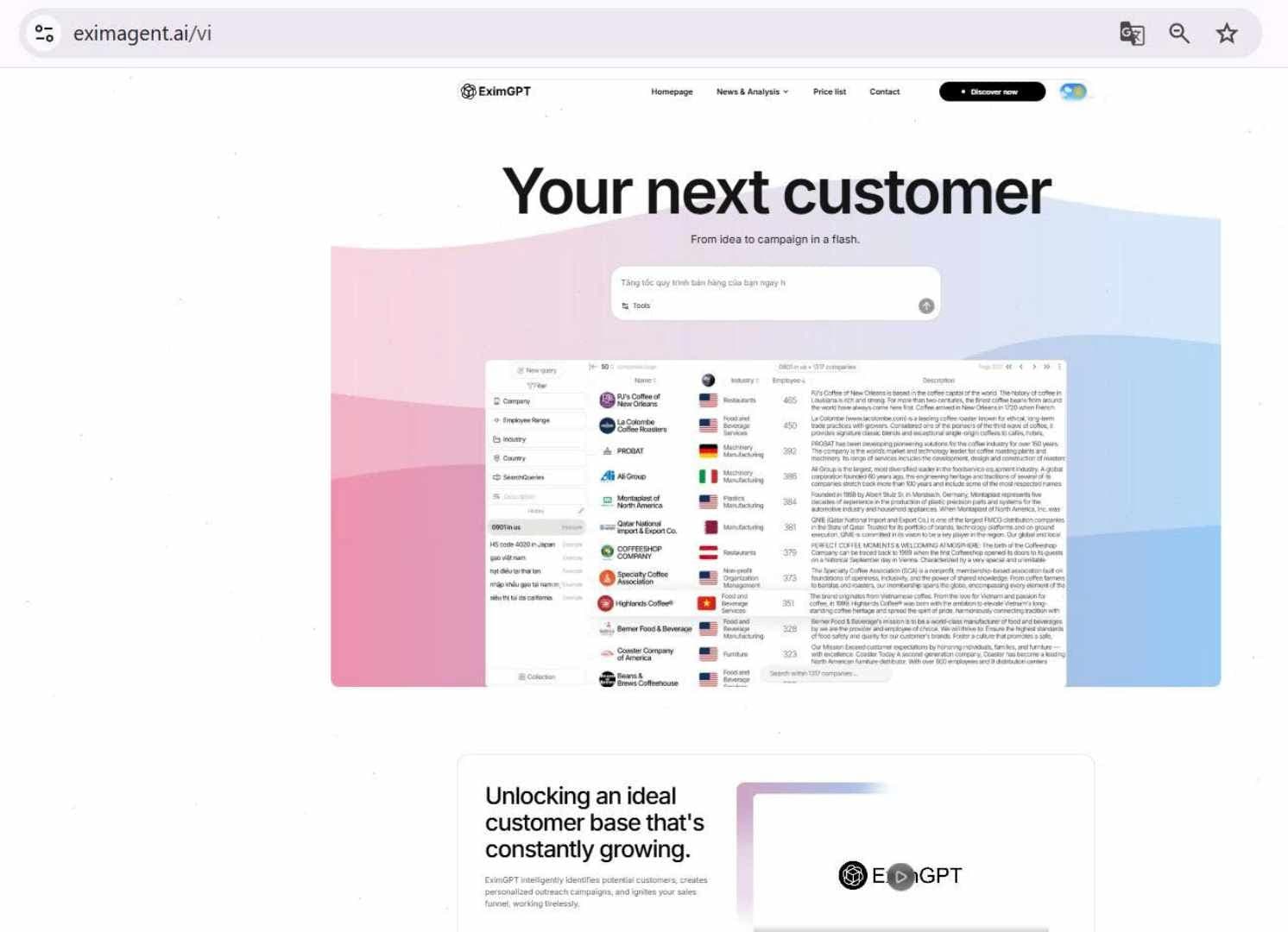
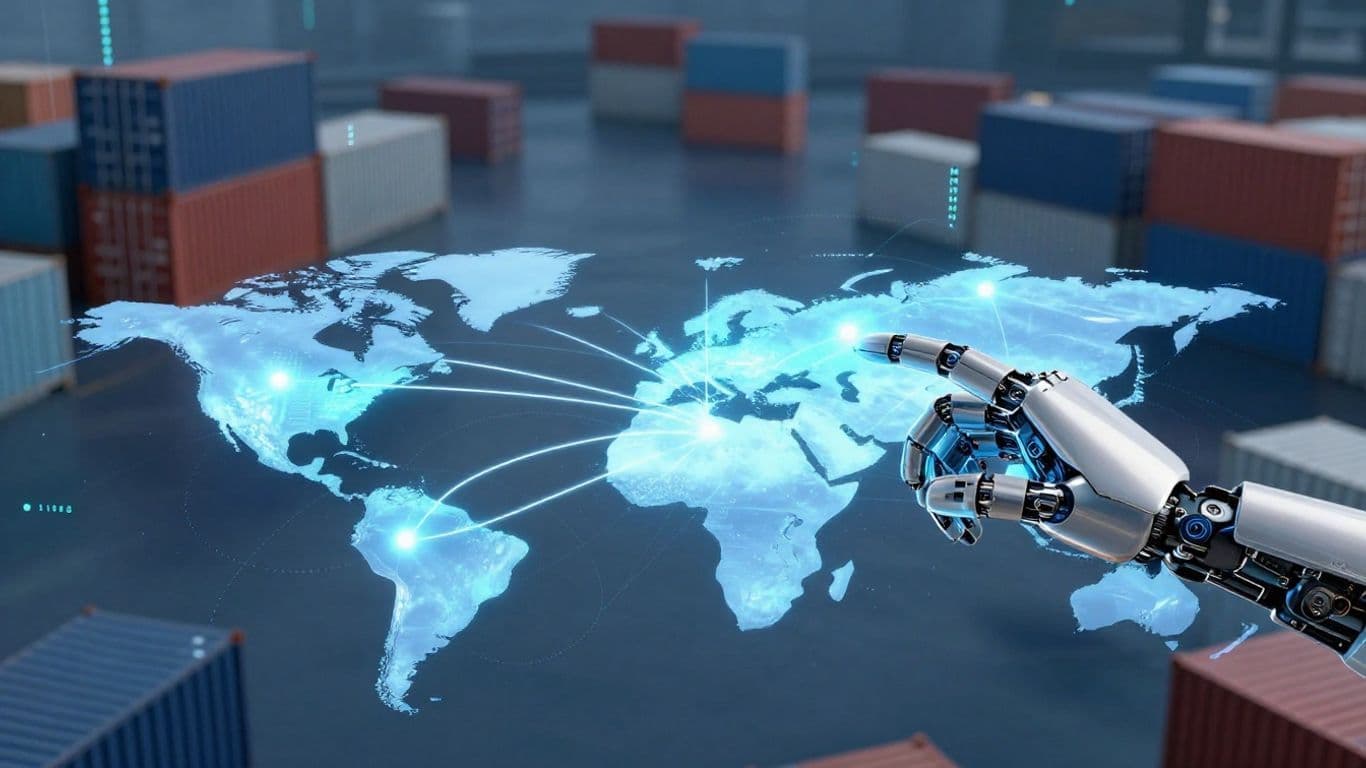
Trying to keep up with HS codes can feel like a full-time job, and honestly, it often is. Regulations change, new products pop up, and what was correct last month might not be today. This is where artificial intelligence steps in. AI-powered tools like EximAgent analyze product descriptions, materials, and intended uses against established trade classification rules and customs regulations across your key target markets. This automation significantly speeds up the classification process, making it more reliable. Instead of spending hours researching, your team can get accurate HS code suggestions much faster.
Manual HS code lookups are prone to human error. A simple typo or a misunderstanding of a product's details can lead to the wrong code. AI systems, however, can process product descriptions and match them against extensive databases with greater consistency than manual methods. This means fewer mistakes and less time spent correcting them. Instead of a slow, multi-step manual process, you get near-instant classification suggestions. This speed is a game-changer for businesses dealing with high volumes of trade.
Let's face it, manual classification takes a lot of man-hours. These hours translate directly into labor costs. By automating a significant portion of this work with AI, companies can reallocate their staff to more strategic tasks. This doesn't necessarily mean fewer employees, but rather a more efficient use of their skills. The cost savings can be substantial, especially for businesses with large product catalogs or frequent international shipments.
The sheer volume of trade data and the constant flux of global regulations make manual classification a risky and expensive endeavor. Automating this process with intelligent systems isn't just about saving time; it's about building a more robust and cost-effective trade operation.
Sure, staying on the right side of the law is important. Nobody wants to deal with fines or hold-ups at customs. But getting your HS codes right can also directly support better business decisions and cost management. Think of it like this: accurate classification is your ticket to avoiding trouble, but smart classification is your foundation for better-informed trade strategy.
This is where things get really interesting. Free Trade Agreements (FTAs) can slash your import duties, sometimes to zero. But you only get those benefits if your products are classified correctly under the specific rules of that agreement. It's not just about picking a code; it's about picking the right code that qualifies you for savings. By ensuring the right HS code is applied, you create the foundation for your trade or compliance team to evaluate FTA eligibility accurately — a process that starts with correct classification. This means you can research and structure your sourcing to take advantage of these agreements, reducing unnecessary duty costs.
Beyond just saving money on imports, understanding HS codes can open your eyes to new markets and sourcing options. When you know a product's HS code, you can research global trade flows, spot demand trends, and identify potential buyers or suppliers for that specific commodity. Maybe a certain type of product is seeing a surge in demand in a country you hadn't considered. Or perhaps you can find a more cost-effective supplier because you know its HS code and can research global options for that specific item. It's like having a map that shows you not just where the obstacles are, but also where the hidden opportunities lie.
HS code intelligence isn't just a static lookup tool; it can be a dynamic part of your business planning. When accurate HS code data informs your sourcing and logistics decisions — from choosing markets to estimating landed costs — it helps you build a more efficient and resilient operation, ready to adapt to whatever the global market throws at you.
Getting your HS codes right is the baseline. The real win comes when you use that information to actively reduce costs, explore new avenues for growth, and make your entire international operation run smoother. It turns a compliance task into a strategic advantage.
Misclassifying a product is the number one cause of customs delays and one of the most common triggers for fines and cargo holds. When the declared HS code doesn't match the physical goods, customs authorities can flag the shipment for Red Channel inspection — resulting in storage fees, mandatory reassessment of duties, and reputational risk. Using an AI-powered HS code tool means your classification is backed by product description analysis and historical classification patterns, not guesswork. This reduces the risk of misdeclaration before your shipment ever leaves the port.
One of the most common sources of customs clearance failure isn't the HS code itself — it's inconsistency across documents. When the product description on your commercial invoice doesn't align with how it's classified on the customs declaration, you create a documentation mismatch that customs officers flag immediately. HS code intelligence supports this by anchoring your product description to a consistent, verified classification — ensuring your paperwork tells a coherent story from invoice to bill of lading.
Trade regulations don't wait for your team to catch up. Tariff updates, FTA rule changes, and new product-specific requirements can shift without warning. A core benefit of AI-powered HS code intelligence is that it draws on regularly updated classification data — meaning the suggestions your team receives reflect current trade conditions, not outdated references. This reduces the risk of using an HS code that was valid six months ago but has since been reclassified or reassigned.
Let's be honest, keeping track of HS codes can feel like a chore. It's easy to get bogged down in the details, but when you step back, it's clear that getting this right has a direct impact on your company's finances. Smart classification isn't just about avoiding trouble; it's about actively protecting your margins and making better use of your resources.

Incorrectly classifying a product can mean paying more in duties and tariffs than you actually owe — or less, which triggers audits. If your product is classified under a higher duty rate than necessary, that extra cost adds up across every single shipment. With HS code intelligence, you have access to more accurate classification suggestions, which helps your team apply the lowest legally applicable duty rate. For businesses shipping high volumes, even small improvements in classification accuracy can result in meaningful duty savings across an annual shipping cycle.
Customs authorities take classification seriously. A mistake here isn't just a minor inconvenience; it can lead to hefty penalties, fines, and even shipment delays or seizures. Documented misclassification cases across global markets show that penalties routinely reach tens of thousands of dollars per shipment, with repeat offenses triggering additional scrutiny on all future imports. Using intelligent HS code tools helps maintain consistent classification practices across different regions, provides a clear reasoning trail for each code selected, and makes it far easier to respond to any customs inquiry confidently.
Beyond just saving money, accurate HS code data gives you a strategic edge. When you're not spending excessive time on manual classification, your team can focus on more impactful tasks — like evaluating FTA opportunities, optimizing sourcing decisions, or accelerating product launches into new markets. Businesses that have accurate, well-documented classification data in place can move faster in new markets, respond to regulatory changes with confidence, and build a supply chain that's genuinely optimized for cost and compliance. It's about using the information you have to make smarter business moves.
So, where is all this HS code stuff heading? Well, it's getting smarter, that's for sure. Think about generative AI — the same technology that can explain complex topics and reason across large bodies of information. Now imagine that applied to HS codes. Instead of just finding a code, it can actually suggest the best code, considering all sorts of factors you might not even think of.
Generative AI can look at your product description, its intended use, its materials, and cross-reference established classification rules — then surface the most probable HS codes along with the reasoning behind each suggestion. This means you're not just guessing; you're making informed decisions backed by advanced analysis. This level of AI assistance is set to dramatically cut down on classification errors and speed up the entire process for trade professionals.
What's the point of having smart HS code suggestions if they live in a separate silo? The real power scales significantly when classification intelligence is connected to the tools your team already uses. When suggestions are integrated directly into your product entry or order management workflow, the correct code is applied at the right moment — reducing the copy-paste errors that come from jumping between systems. This creates a more consistent source of product classification data across your business, from procurement to shipping. Early adopters of this kind of connected workflow stand to gain meaningful operational advantages.
Global trade isn't a solo sport. It involves suppliers, manufacturers, customs brokers, and logistics providers. The future of HS code classification needs to make it easier for all these players to work with consistent, shared data. When a supplier updates product specifications, those changes should flow through to classification decisions quickly and accurately — not sit in an email thread waiting to be reconciled. Shared visibility into classification data helps prevent the miscommunications that cause border delays and builds a more reliable supply chain for everyone involved. It's all about making the complex world of international trade a bit more connected and a lot less prone to errors.
So, we've talked a lot about how tricky product classification can be, especially with rules changing all the time. It's easy to get bogged down in the details and make mistakes that cost a lot of money or cause major delays. But the good news is, there are tools out there now — like AI-powered platforms — that can genuinely help. These systems can process your product descriptions, apply established classification logic, and deliver more accurate HS code suggestions than a manual search. This means less time spent on research, fewer errors reaching customs, and more confidence when you're moving goods across borders. By using this kind of intelligence, businesses can focus more on growing and less on worrying about classification headaches.
What exactly is an HS code and why is it so important?
Think of an HS code as a product's unique ID number for international trade. It's like a universal language that customs officials all over the world use to know what you're shipping. Getting the right HS code is super important because it decides how much tax (duty) you'll pay and if there are any special rules for your product.
Why is classifying products so tricky these days?
It's tricky because the rules for classifying products change all the time. New products are invented, countries change their tax rates, and governments add new regulations. It's like trying to hit a moving target. Doing it by hand takes a lot of time and it's easy to make a mistake, which can lead to big problems.
How can AI help make product classification easier?
AI can help by looking at your product information — including its description, materials, and intended use — and suggesting the right HS code much faster than a manual search. It's much quicker than a person trying to find it, and it helps avoid the kind of mistakes that come from working through complex classification rules by hand.
What happens if I use the wrong HS code for my products?
If you use the wrong HS code, you could end up paying more in duties than necessary, or less — which customs authorities treat as misdeclaration. If you underpay, you risk fines, cargo holds, and Red Channel inspections. If you overpay, recovering those costs is a slow and cumbersome process. So accuracy really matters.
Besides avoiding fines, what other good things come from using HS code intelligence?
Using smart HS code tools can support better business decisions overall. You create the right foundation to evaluate FTA eligibility and potentially qualify for lower duty rates. It can also help you research new markets and identify sourcing options based on real trade data. It turns what feels like a compliance task into a genuine strategic input.
Will AI replace people who work in trade classification?
Not really. AI is more like a powerful tool that helps people do their jobs better and faster. It handles the repetitive, research-heavy parts of classification so that human experts can focus on more complex judgment calls and strategic decisions. It makes the whole process more efficient and less stressful — it doesn't remove the need for experienced trade professionals.
HS code errors don't just slow down your shipments — they drain your margins, invite customs scrutiny, and put your supply chain reliability at risk. The businesses winning in global trade today aren't the ones with the biggest teams. They're the ones with the right tools.
EximAgent's HS Code Intelligent gives trade professionals an AI-powered starting point for faster, more consistent product classification — so your team spends less time searching and more time moving goods.
No credit card required. Built for import-export professionals across Vietnam, India, Malaysia, and the USA.
Enter your email to receive the latest trade insights, guides, and HS-code explainers from EximAgent Blog.