Global Trade
The AI Trade Revolution: Reshaping Global Commerce
May 28, 2026
Global Trade
In 2024 alone, Dubai recorded nearly 179 million carats of diamonds traded—confirming its unmatched role as the largest rough diamond trading hub...
May 20, 2025By Davos Pham4 min readView as Markdown

In 2024 alone, Dubai recorded nearly 179 million carats of diamonds traded—confirming its unmatched role as the largest rough diamond trading hub in the world. This impressive figure reflects the resilience and long-term strategy of the United Arab Emirates (UAE) in cementing its position as a global powerhouse in the precious stones industry.
Over the past five years, the UAE has traded more than 1.06 billion carats of rough and polished diamonds, solidifying its role not just as a regional leader, but as a global gateway for diamond trade.
Ahmed Bin Sulayem, Chairman of the Kimberley Process (KP) and Executive Chairman of the Dubai Multi Commodities Centre (DMCC), proudly stated during the KP Plenary Meeting on May 19:
“Trading over 1.06 billion carats in just five years is a milestone we are immensely proud of. It reflects the growing trust and confidence the global market places in Dubai.”
Mr. Sulayem highlighted that three key markets continue to drive the global diamond industry forward:
Together, these three countries form the core pillars of the international diamond ecosystem. The UAE’s pivotal role as a transactional and logistical intermediary reinforces its strategic importance in connecting suppliers with manufacturers and end-market retailers.
One of the key highlights of the recent KP conference was the launch of Verifico, a cutting-edge digital platform aimed at enhancing transparency, traceability, and security in the diamond trade. Verifico will be used to digitize the verification and certification process for Kimberley Process certificates, helping prevent the circulation of conflict diamonds.
This initiative is a central element in the UAE’s national strategy to digitally transform the diamond trade, making the entire supply chain more trustworthy and efficient. The platform will soon be rolled out to all KP member countries, setting a new industry standard.
In addition, the UAE proposed the organization of the first-ever KP Ministerial Conference—a historical move designed to strengthen cross-government collaboration among diamond-producing, trading, and consuming nations. This high-level dialogue aims to jointly tackle the pressing challenges facing the sector, from traceability and ethical sourcing to sustainability and global regulation.
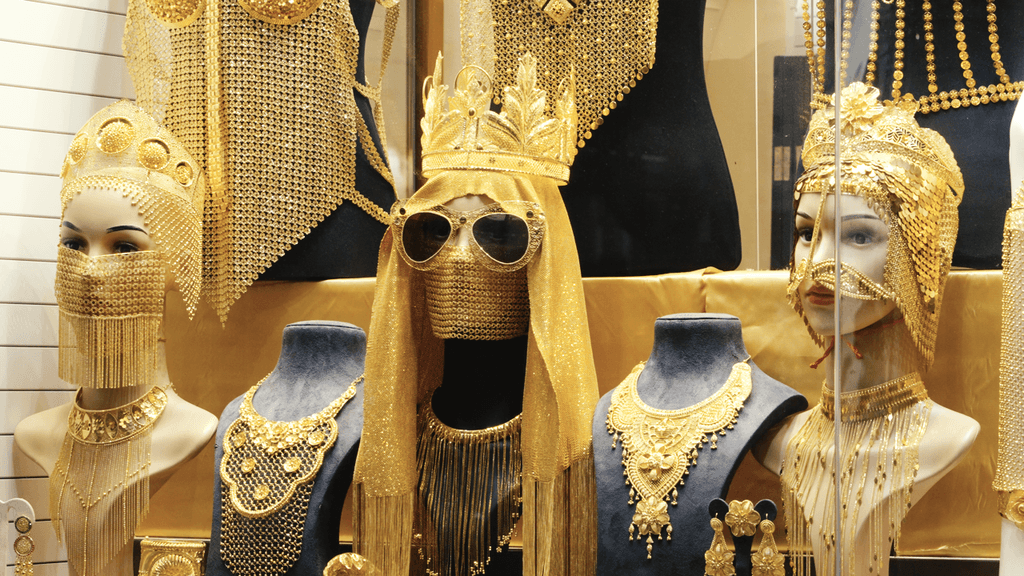
Dubai’s transformation into a leading diamond hub is a remarkable success story. Once a modest desert trade outpost, the city has evolved into a global financial and commodities center—thanks to visionary leadership, modern infrastructure, and a strategic economic diversification plan.
Ms. Safeya Hashem Al Safi, Acting Assistant Undersecretary for Trade Control and Governance at the UAE Ministry of Economy, emphasized:
“Diamonds are a vital part of the UAE’s growth narrative. Dubai’s emergence as the world’s leading rough diamond trading center is directly tied to our commitment to building a resilient, diversified, and future-ready economy.”
The UAE’s achievements stem not only from trade volume but also from its focus on:
These advantages make Dubai a magnet for global diamond traders, offering a neutral, well-regulated environment ideal for high-value transactions.
Founded in 2003 under the auspices of the United Nations, the Kimberley Process (KP) is an international certification scheme involving 85 countries. Its mission: to eliminate the trade in so-called “conflict diamonds” or “blood diamonds”—rough diamonds used by rebel groups to finance wars against legitimate governments.
UN Security Council Resolution 1459 defines conflict diamonds as a direct threat to peace and stability in vulnerable regions. Through KP compliance, legitimate players ensure that only ethically sourced diamonds enter the global supply chain.
As Chair of the Kimberley Process in 2024, the UAE is spearheading several key reforms. These include:
The UAE’s rise as a central player in the global diamond industry is no accident. It’s the result of a deliberate, long-term strategy rooted in:
In a sector traditionally dominated by legacy markets in Europe, Africa, and India, the UAE—through Dubai—has carved out a unique niche by combining efficiency, neutrality, and global reach.
As the diamond industry faces challenges including fluctuating demand, ESG compliance, and calls for greater transparency, the UAE’s proactive leadership is seen as a model for emerging economies seeking to grow responsibly within high-value global supply chains.
Enter your email to receive the latest trade insights, guides, and HS-code explainers from EximAgent Blog.