Global Trade
The AI Trade Revolution: Reshaping Global Commerce
May 28, 2026
Global Trade
Avoid costly export classification mistakes! Learn the top 7 errors businesses make and how to ensure compliance for seamless global trade
June 1, 2025By Davos Pham4 min readView as Markdown
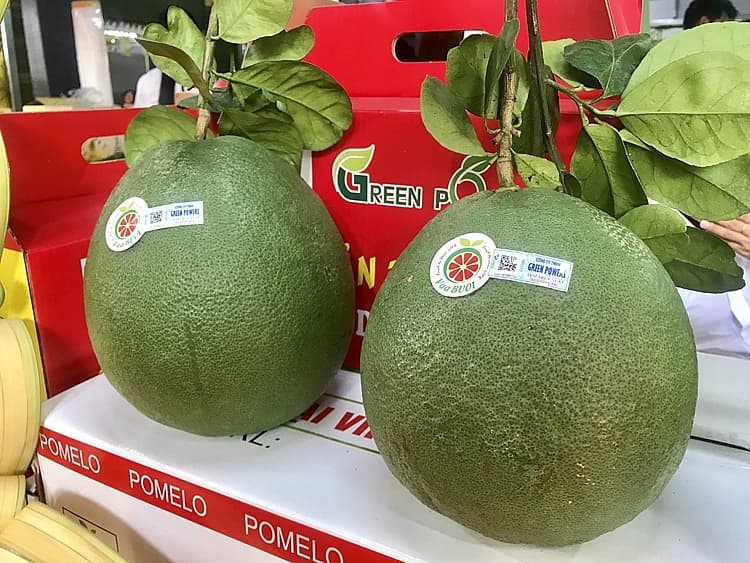
Export classification is a critical step in global trade compliance, ensuring products are correctly categorized according to international regulations. Misclassifying exports can lead to costly fines, shipment delays, and regulatory penalties. However, many businesses—especially small and medium-sized enterprises (SMEs)—continue to make avoidable classification mistakes.
In this article, we will explore the seven most common export classification errors, why they happen, and how to avoid compliance risks in international trade.

One of the most frequent mistakes in export classification is misunderstanding different coding systems. Each serves a distinct purpose, and using the wrong one can lead to incorrect tariff calculations and customs issues.
👉 How to Avoid This Mistake:
HS codes are not static—they are revised every five years by the World Customs Organization (WCO). The latest HS 2022 revision introduced changes across multiple industries, impacting thousands of products.
👉 How to Avoid This Mistake:
Many businesses make the mistake of assigning the same classification code to all product variations. However, even minor modifications (e.g., added encryption, new materials, or additional functions) can change a product's classification and tax rate.
🔹 A standard laptop and a high-security laptop with encryption should not have the same HS or ECCN code because of their different functions and export restrictions.
👉 How to Avoid This Mistake:
Many exporters blindly trust the classification provided by their suppliers. However, suppliers may use incorrect, outdated, or country-specific codes that do not apply to your export market.
👉 How to Avoid This Mistake:
HS code classification often depends on a product's primary function (also called essential character). Misjudging this can result in misclassification and higher duties.
🔹 A smartwatch with calling features → Should it be classified as a wristwatch or a communication device? The classification may depend on whether its primary function is timekeeping or communication.
👉 How to Avoid This Mistake:
Many exporters assume their products fall under EAR99 (a general classification for low-risk exports) without verifying. This can be a serious compliance mistake, especially for dual-use goods (items that have both civilian and military applications).
👉 How to Avoid This Mistake:
600 Series ECCNs cover military-related and dual-use items, which are subject to strict export controls. Many businesses misinterpret these classifications, leading to severe penalties.
👉 How to Avoid This Mistake:

Export classification is not just about paperwork—it directly impacts costs, customs clearance, and legal compliance. By avoiding these seven common mistakes, businesses can ensure faster shipments, lower costs, and full compliance with trade laws.
At EximAgent, we leverage AI-powered HS Code intelligence to help businesses accurately classify products, automate compliance, and streamline export processes.
📢 Want to eliminate export classification mistakes? Try EximAgent today!
🔗 Explore EximAgent Now!
Enter your email to receive the latest trade insights, guides, and HS-code explainers from EximAgent Blog.