Global Trade
The AI Trade Revolution: Reshaping Global Commerce
May 28, 2026
Global Trade
This is considered the highest level of tariffs in over a century, aimed at reducing the trade deficit and protecting the domestic economy....
April 9, 2025By Davos Pham3 min readView as Markdown
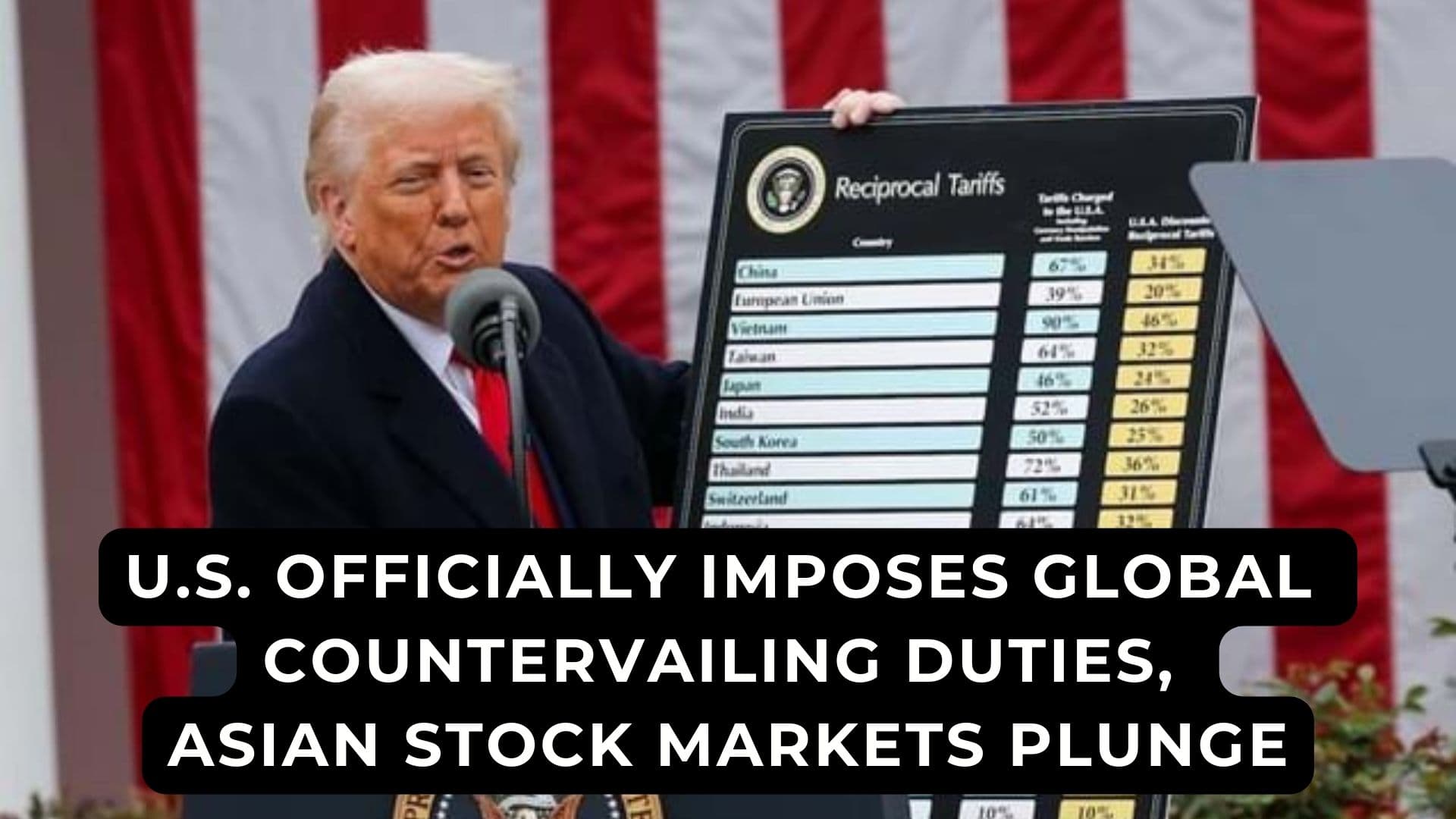
At 11:01 AM on April 9, 2025 (Vietnam time), the U.S. government officially implemented new countervailing duties on a wide range of countries and territories. This is considered the highest level of tariffs in over a century, aimed at reducing the trade deficit and protecting the domestic economy. Vietnam, along with many other nations, is now facing significant challenges from this policy.
According to the U.S. Customs and Border Protection (CBP), the new countervailing duties are applied as follows:
Among these, China and Vietnam face the highest rates, with tariffs of 104% and 46%, respectively.
Prior to the new tariffs taking effect, Prime Minister Pham Minh Chinh requested the U.S. to delay the imposition of tariffs on Vietnam by at least 45 days. The purpose of this request is to allow both sides time to negotiate, prepare, and transition toward a more balanced and mutually beneficial trade relationship.
According to Reuters, Deputy Prime Minister Ho Duc Phoc is expected to meet U.S. Treasury Secretary Scott Bessent on April 9 (local time). Additionally, Mr. Phoc plans to meet with senior executives from major American corporations such as Boeing, SpaceX, and Apple later this week.
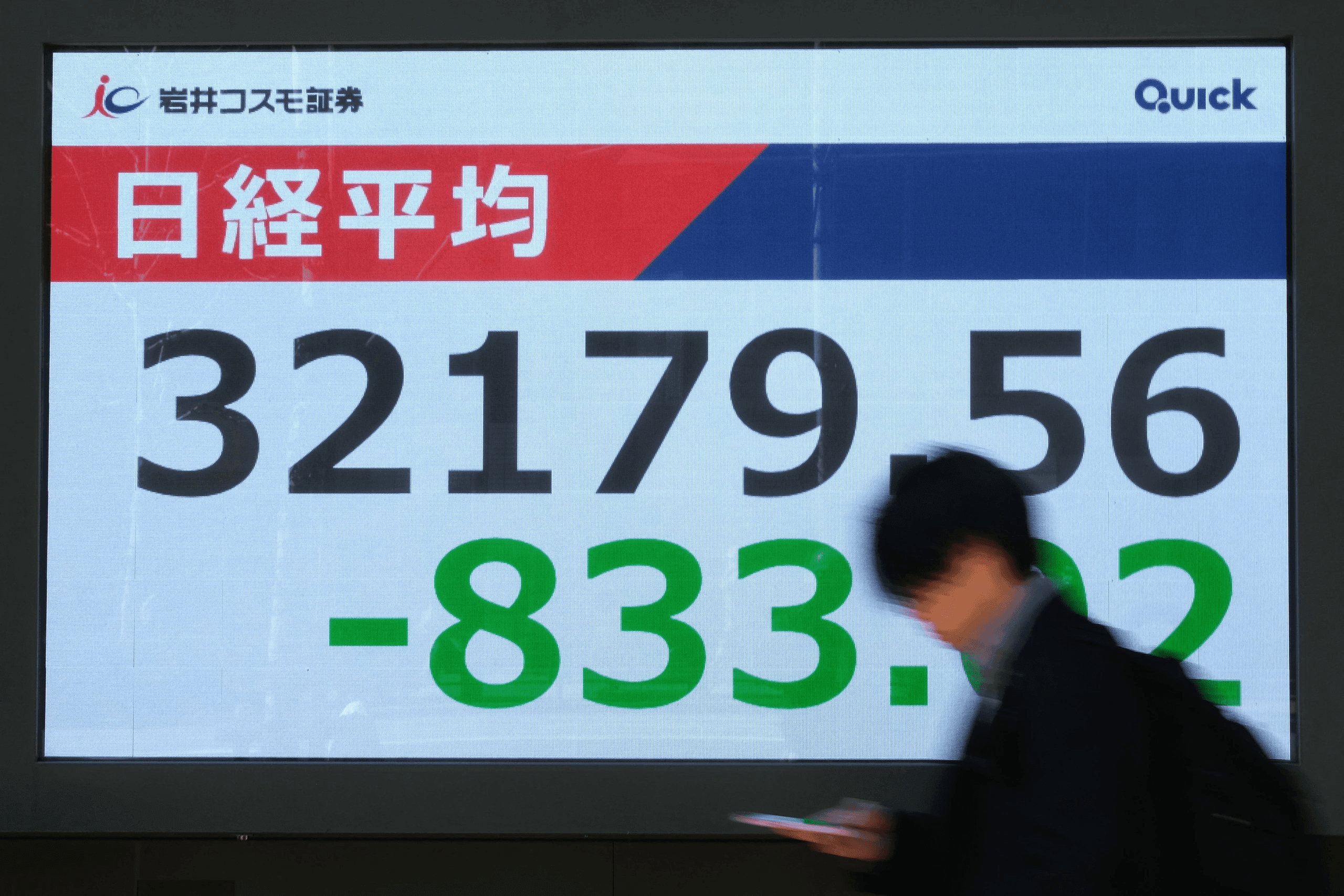
Immediately after the U.S. tariffs took effect, Asian stock markets reacted sharply:
China announced it would "fight to the end," raising retaliatory tariffs to 84% on U.S. goods, effective April 10. Beijing emphasized that it has both the resources and the determination to respond to Washington’s measures.
The EU is considering retaliatory measures against U.S. goods. A list of potential targeted items includes almonds, diamonds, dental floss, and soybeans. A decision-making meeting is scheduled for April 9.
The South Korean government unveiled a $2 billion support package for its automotive industry in response to the U.S. tariff impact. Additionally, South Korea is planning to initiate negotiations with the U.S. regarding the matter.
Economists have warned that such high tariffs could trigger a global economic recession. JPMorgan has raised its global recession forecast to 60% by the end of 2025 if the U.S. fully implements its current tariff policy.
The U.S.'s move to impose the highest countervailing duties in over 100 years has caused major turbulence in global financial markets and presents significant challenges—especially for countries like Vietnam.
In this context, active negotiations and cooperative solutions among involved parties are crucial to minimize negative impacts and work toward a fair and sustainable trade environment.
Enter your email to receive the latest trade insights, guides, and HS-code explainers from EximAgent Blog.