Global Trade
The AI Trade Revolution: Reshaping Global Commerce
May 28, 2026
Global Trade
Kazakhstan is emerging as an attractive destination for Vietnamese agricultural products, particularly key exports such as coffee, tea, rice and...
April 25, 2025By Davos Pham4 min readView as Markdown

Kazakhstan is emerging as an attractive destination for Vietnamese agricultural products, particularly key exports such as coffee, tea, rice, and tropical fruits. As Vietnam and Kazakhstan enter a “golden phase” of diplomatic relations, Vietnamese exporters are facing a tremendous opportunity to tap into the promising Central Asian market.
According to Mr. Kanat Tumysh, Kazakhstan’s Ambassador to Vietnam, Kazakhstani consumers are showing growing demand for Vietnamese agricultural products thanks to their superior quality and unique flavors. Products like ST25 rice, roasted coffee, green tea, and tropical fruits such as mango and dragon fruit are highly regarded.
The year 2022 marked the 30th anniversary of diplomatic relations between Vietnam and Kazakhstan. Over three decades, the two nations have steadily expanded cooperation in areas such as trade, investment, transportation, and tourism.
Notably, the visa waiver policy between the two countries, effective from 2024, has significantly boosted business travel, trade fair participation, and bilateral trade negotiations. This development lays the groundwork for strengthening trade volumes, which already reached nearly $1 billion in 2024.
Ambassador Tumysh emphasized that this is only the beginning. The two countries aim to raise bilateral trade to between $2 billion and $5 billion by fully unlocking untapped potential.
Coffee and tea consumption is deeply ingrained in Kazakhstani culture, especially among urban youth and the middle class. Vietnam, one of the world’s top coffee exporters, is well-positioned to meet this demand as the quality of its robusta and arabica beans continues to improve.
Beyond raw beans, there’s increasing interest in instant coffee and ready-to-drink packaged products that align with fast-paced consumer habits. This opens doors for Vietnamese coffee brands to invest in packaging design, brand marketing, and distribution partnerships in Central Asia.
Vietnamese green tea and herbal teas are also gaining traction, especially when attractively packaged and certified organic or food-safe.
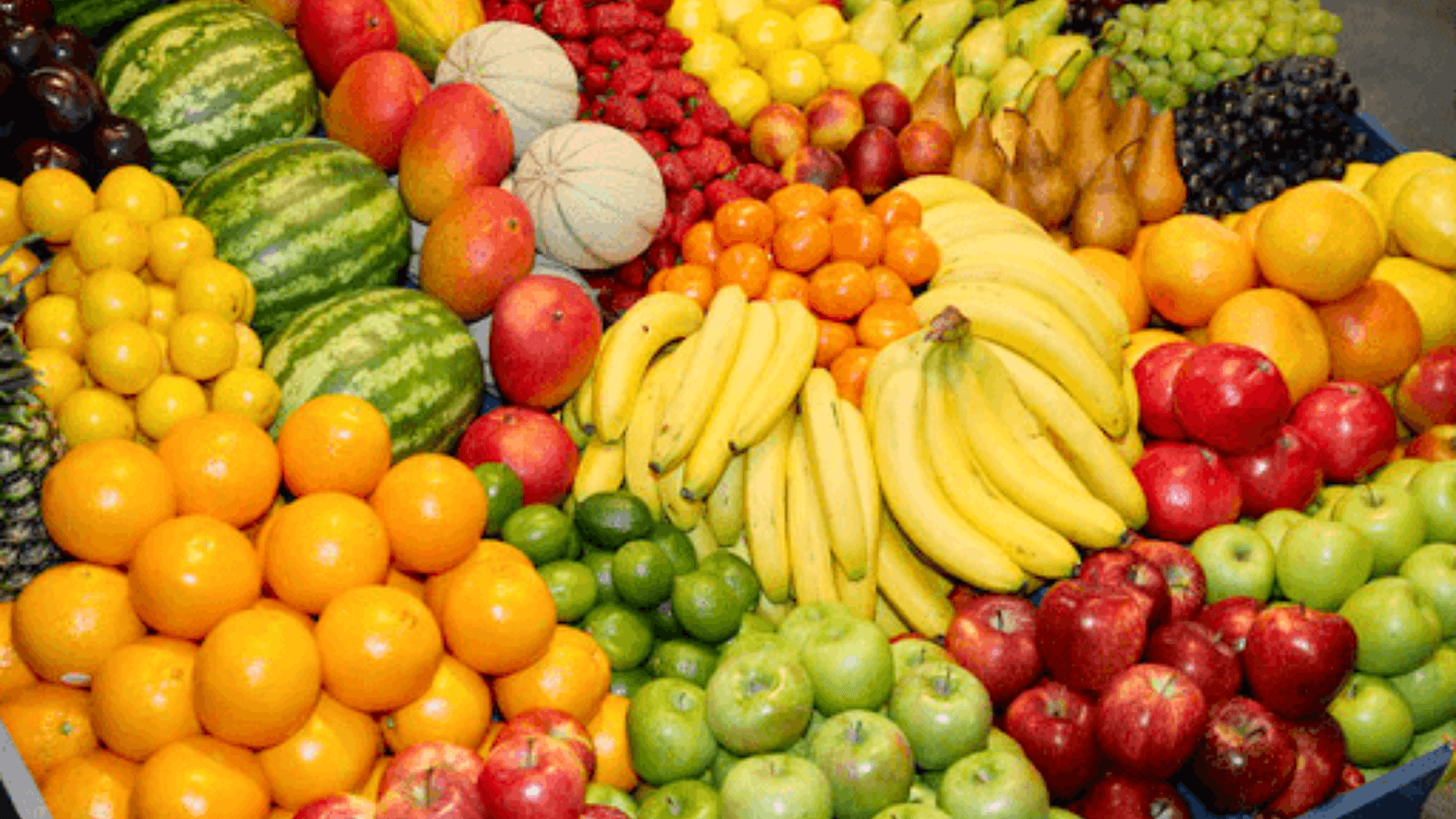
Kazakhstan’s cold temperate climate means a real and growing demand for imported fresh fruit. Red-fleshed dragon fruit, mangoes, pineapples, and frozen durian are poised to become Vietnamese “specialties” capturing Kazakhstani palates.
Vietnamese rice—especially the globally acclaimed ST25 fragrant rice—is winning favor for its natural aroma, soft texture, and versatility. These characteristics make it ideal for the premium rice segment in Kazakhstan, including high-end consumers and luxury restaurants.
One of the most critical enablers of Vietnamese exports to Kazakhstan is the improvement of transcontinental logistics and transportation.
.png&w=3840&q=75)
Ambassador Tumysh highlighted the transcontinental logistics corridor via the Black Sea–South Caucasus–Central Asia (Caspian route), which can deliver goods from Vietnam to Kazakhstan and Europe in just around two weeks. This significantly reduces delivery time and cost compared to traditional sea freight.
Moreover, the railway connects Western China with the EU, positioning Vietnam as a major transit hub for ASEAN exports into Eurasia.
In addition to land and rail routes, Vietnam and Kazakhstan are expanding direct flight options between popular tourist cities such as Phu Quoc, Nha Trang, and the capitals Astana and Almaty.
These air routes not only promote tourism but also facilitate air cargo—especially for fresh fruit, flowers, and high-value perishable goods.
To realize export opportunities, Vietnamese companies should keep in mind several important factors:
Kazakhstani consumers are increasingly focused on food safety, certifications, plant quarantine records, and organic labels. Exporters must standardize production processes to meet international quality benchmarks.
Influenced heavily by European consumer culture, the Kazakhstani market responds well to premium packaging and labeling in Russian or English. Effective marketing via social media platforms like Instagram and Telegram is also vital.
Vietnam’s free trade agreement with the Eurasian Economic Union (EAEU) offers substantial tariff reductions on many agricultural products. Vietnamese firms should take advantage of this to lower prices and enhance competitiveness.
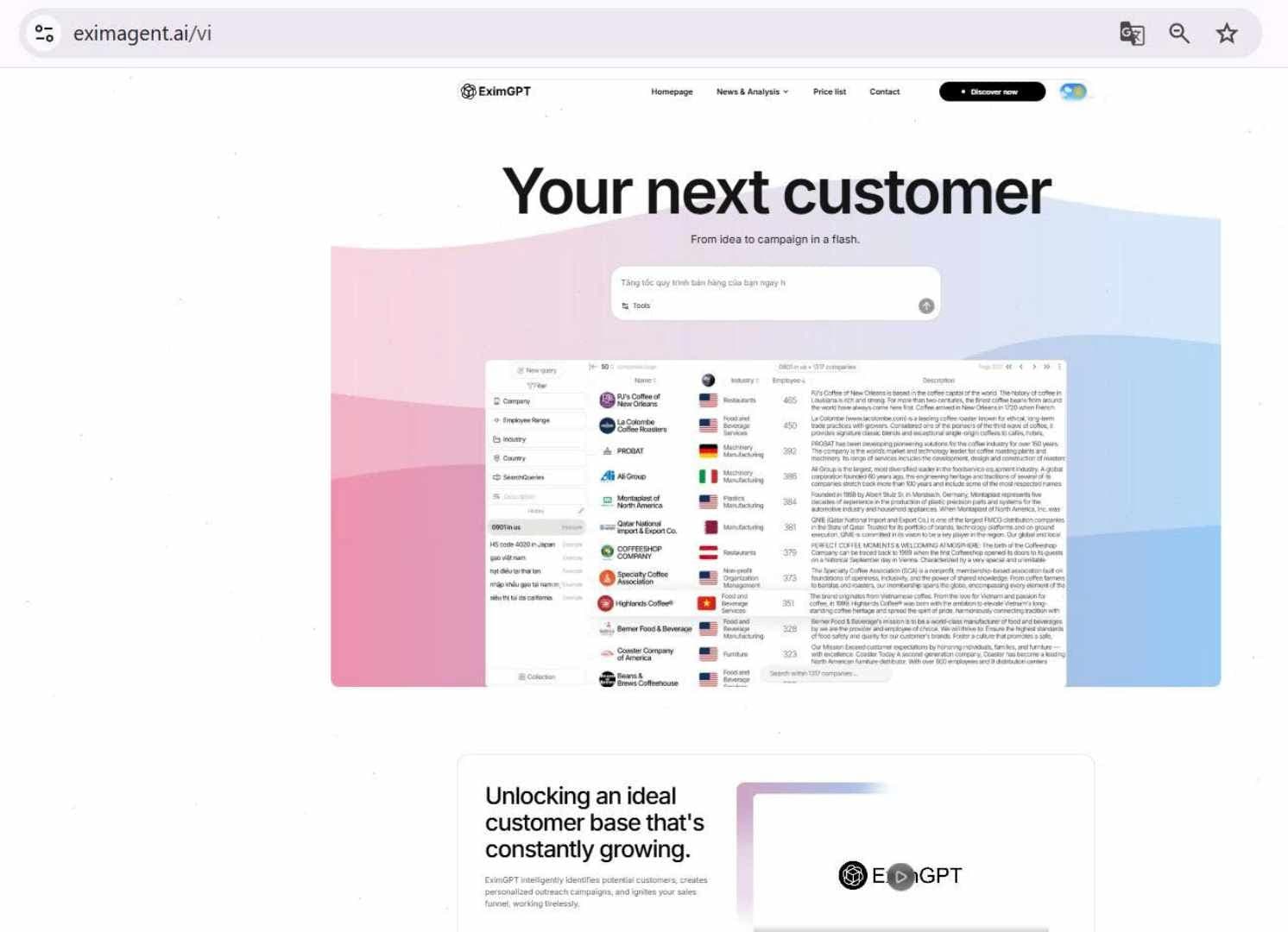
As businesses explore new opportunities in Kazakhstan, having a smart tool to analyze markets, find partners, and streamline exports is more critical than ever. That’s where EximAgent—an AI-powered platform built for export-import businesses—comes in.
EximAgent features include:
EximAgent helps Vietnamese companies cut down market entry time, reduce customer acquisition costs, and boost export performance.
👉 Don’t wait — let every shipment be your first step into the Kazakhstan market!
Enter your email to receive the latest trade insights, guides, and HS-code explainers from EximAgent Blog.