Logistics
How to Accurately Classify Goods Using HS Codes
Jun 1, 2025
Global Trade
A quote can look precise and still be wrong at the border. Here's the seven-step workflow that keeps HS classification and landed cost accurate, shipment after shipment.
July 24, 2026By Vivian11 min readView as Markdown
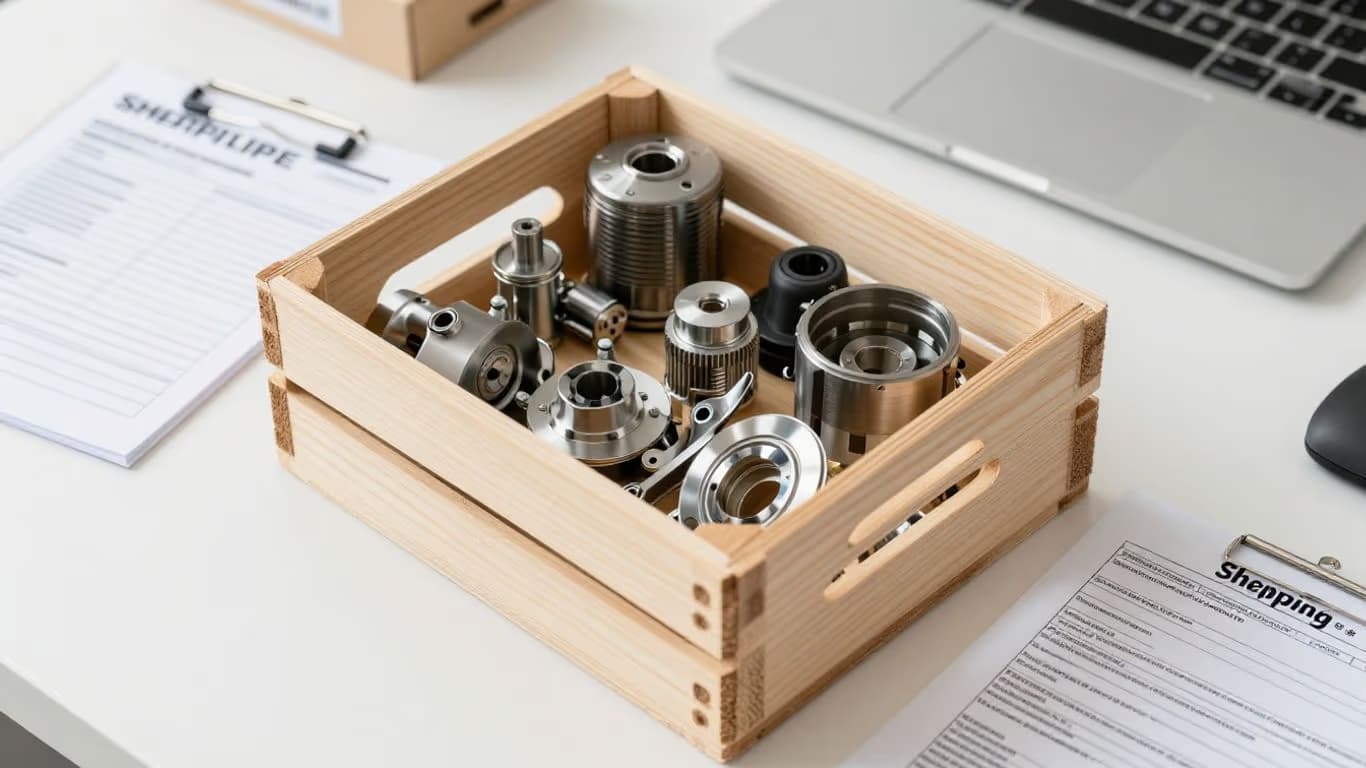
A buyer asks for a landed price on 2,000 hand-operated coffee grinders. The supplier has confirmed the unit price, and the sales team already has a freight estimate. The problem appears when someone reaches the duty line in the quotation.
The product sheet describes the item as a “manual coffee grinder,” but it does not explain the material of the grinding mechanism, how the product operates or how it will be packaged for import. Searching that product name may produce several plausible HS codes. None of them should be copied into the quotation without further review.
Before the team can estimate the landed cost reliably, it needs to confirm what the product is made of, what it does, how it will be presented at the border and which tariff rules apply in the destination country.
This is the practical purpose of HS code classification. It is not simply a search for a six-digit number. It is a documented process that connects product evidence, classification rules, the importing country and the tariff information used in a trade quote.
The following seven-step workflow shows how to complete that process and preserve the reasoning for future shipments.

The Harmonized System browse the HS code taxonomy. Its first six digits provide an international classification foundation, while individual countries may add further digits for tariff and statistical purposes.
For a commercial team, the classification becomes one of the inputs behind the quotation. It can influence the customs duty, additional taxes, trade remedies, documentary requirements and the time required for clearance. If the classification is weak, the landed-cost estimate built on top of it is also weak.
Classification and tariff lookup therefore answer two separate questions. Classification determines what the product is for customs purposes. Tariff lookup determines which measures apply to that product on a particular trade lane. A reliable quote needs both answers.
The World Customs Organization’s overview of the Harmonized System explains the global framework. The operational challenge for an exporter or importer is turning that framework into a repeatable decision for a specific product and trade lane.
A lookup can return plausible candidates. It cannot make incomplete product information complete.
In the coffee grinder example, the commercial product name is only a starting point. The classification team still needs to know whether the grinding mechanism is made of steel or ceramic, whether the product is manually operated, whether it includes an electric motor and whether it will be imported as a complete retail product or as separate components.
The product file could be recorded as follows:
Field | Information to record |
|---|---|
Objective product name | Hand-operated coffee grinder |
Material composition | Aluminum body with a stainless-steel burr |
Principal function | Grinding roasted coffee beans |
Operating method | Manually operated by a hand crank |
Technical specifications | Burr-grinding mechanism with adjustable grind settings |
Condition at import | Imported as a complete, assembled product |
Set or packaging details | Individually boxed for retail sale |
Supporting evidence | Product photos, datasheet and bill of materials |
Write a classification-ready product description before searching for a code. A strong description should answer four questions:
1. What is the product?
2. What is it made of?
3. What is its principal function?
4. In what condition is it shipped?
If the invoice says only “machine part,” “accessory” or “food product,” stop and request more detail. Those descriptions may be acceptable in a sales conversation, but they are not sufficient grounds for classification.
Material and function are two of the strongest classification signals. Which one carries more weight depends on the type of product and the relevant legal notes.
For a multi-material product, ask which component gives the item its essential character. For a machine or device, distinguish its main job from secondary features. If the product only works as a part of another machine, establish whether it is a true functional part or an optional accessory.
Remove promotional adjectives from the working description. Words such as “premium,” “smart” or “professional” describe how the product is marketed, not how customs should classify it.
Once the product brief is complete, use an HS code search to generate a focused shortlist. Search with descriptive language rather than a brand name alone.
Search with the product’s objective characteristics. A model name may return product listings, while a functional description is more likely to return relevant tariff headings.
For example:
· weak query: “AeroMax 200”
· stronger query: “portable electric fan with rechargeable battery”
Record two or three credible candidates. For each one, open the heading text and check whether the product description actually fits. Do not select a result only because its wording resembles the commercial name
In EximAgent, the structured product description can be used to generate a shortlist of candidate codes. Treat that shortlist as the beginning of the review, not as an automatic final classification.
Start with the wording of the heading and the relevant Section and Chapter Notes. A heading that appears suitable in a keyword search may be excluded once the legal notes are reviewed.
If more than one heading remains plausible, apply the General Rules of Interpretation. Check whether the product is complete or unfinished, whether it is a mixture or composite good, and whether one component gives it its essential character.
For example about the rejection note: Candidate B rejected: this heading covers parts, while the imported item is a complete retail product.
A reviewer should be able to understand not only why the selected code was accepted, but also why the closest alternatives were rejected.
Pay close attention to:
· specific descriptions versus broad descriptions;
· the component that gives a composite good its essential character;
· the state of the product at import;
· whether a retail set qualifies to be classified together; and
· legal notes that include or exclude the product from a chapter.
Document why the selected code is stronger than the alternatives. A short rejection note—“Candidate B excluded because the product is complete, not a part”—can be extremely useful during internal review.
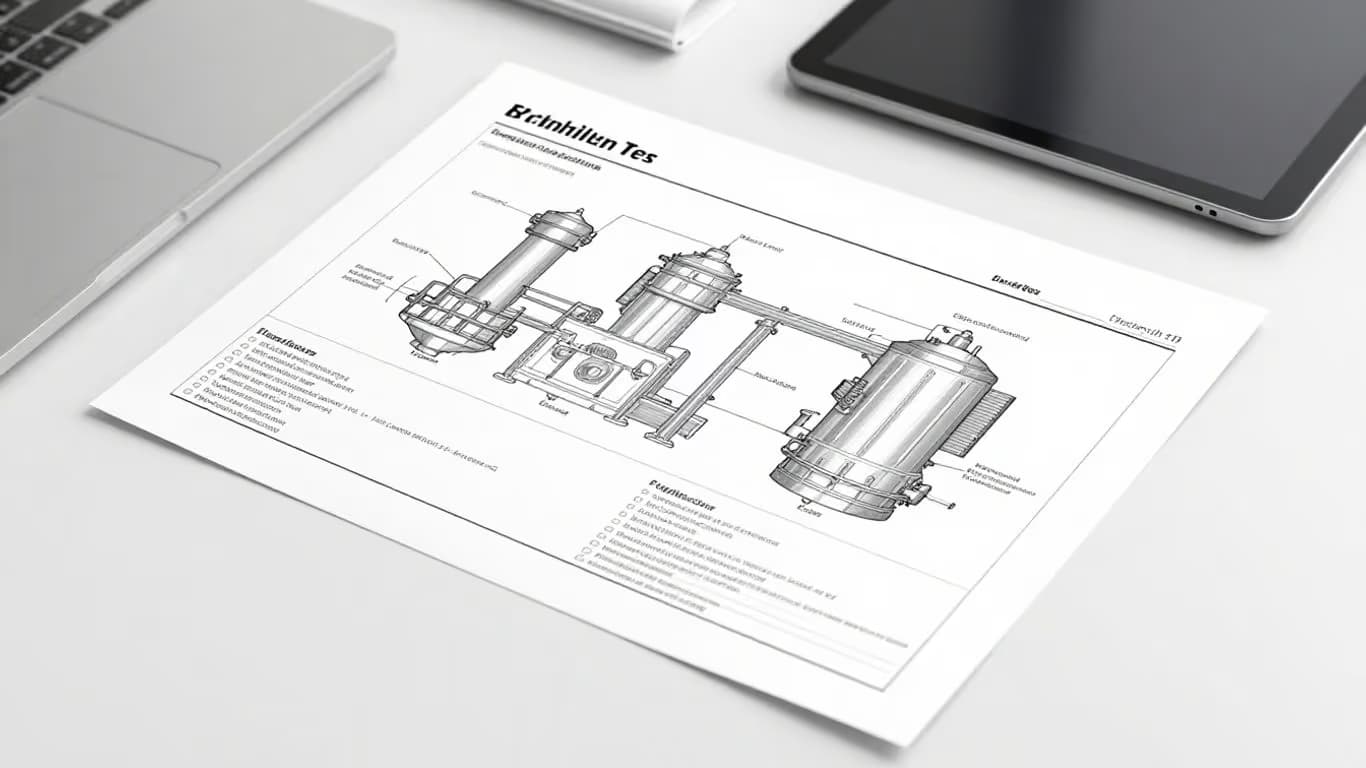
Selecting an HS-6 code does not complete the quotation. The importing country may extend the code and apply its own duty rates, taxes, preferences, remedies or non-tariff measures.
If the coffee grinder is exported to two different markets, the international six-digit foundation may be the same, but the national tariff code and applicable measures still need to be checked separately for each destination.
Before using the code in a quote, confirm:
· exporting country;
· importing country;
· product or HS code;
· national tariff extension, when applicable;
· effective duty rate;
· additional taxes or trade remedies; and
· any relevant non-tariff measures.
These are the figures that should flow into the landed-cost calculation. Reusing a duty rate from an earlier shipment or another destination can produce a precise-looking quotation built on the wrong assumptions.
EximAgent can connect the product classification with the exporter–importer corridor so the operator can review the relevant tariff and trade-measure inputs in the same research trail.
Do not leave the decision in a browser tab or chat history. Create a reusable classification record containing:
Product evidence
Classification decision
Commercial context
Six months later, another salesperson should be able to open the SKU record and see why the code was selected, which tariff information was used and whether anything has changed since the previous quote.
This record helps sales, operations, and customs partners work from the same assumptions. It also reduces the risk of different teams classifying the same item differently.
A classification decision may remain valid while the commercial exposure around it changes. Duty rates, remedies, and national tariff details can be updated. A product redesign can also change the facts that supported the original code.
Set review triggers for events such as:
· a change in material composition;
· a new product model;
· a new destination country;
· a different retail bundle;
· a customs challenge;
· a tariff or duty update; or
· a meaningful change in the product’s principal function.
The operational shift is simple but important:
Suppose the manufacturer replaces the steel burr with a ceramic component but keeps the same model name. The previous classification should not be reused automatically because one of the product facts behind the decision has changed.
Many errors begin before the tariff database is opened. Sales provides a commercial name, someone searches it, and the first plausible result is copied into the quotation. If the material, function and import condition are still unknown, the search has started too early.
An optional enhancement and a component required for operation may fall under different classification logic.
The way several goods are packaged and presented can affect whether they are classified separately or as a set.
A material, function, or presentation change can invalidate the original rationale even when the product name remains the same.
A bare number does not explain why it was selected. Store the product evidence, alternatives considered, and review date with the code.
Use this checklist before a classification enters a quote, commercial invoice, or shipping instruction:
☐ The product description is specific and non-promotional.
☐ Material composition is documented.
☐ Complete, unfinished, part, and accessory status is confirmed.
☐ Packaging treatment has been considered.
☐ Candidate headings have been compared.
☐ The classification rationale is recorded.
☐ The destination-specific tariff code has been checked.
☐ Duties, taxes, remedies, and relevant measures have been reviewed.
☐ The source, review date and next review trigger are saved.
EximAgent is most useful after the product facts have been structured. The operator can use the product description to identify candidate HS codes, review the classification context and connect the selected code with the relevant exporter–importer corridor.
The resulting research trail can include the product evidence, classification rationale, tariff inputs and the date of the latest review. This makes it easier to prepare the next quotation without rebuilding the analysis from the beginning.
The software does not replace accurate product information or the final compliance decision. If the product is difficult to classify, the commercial exposure is significant or different authorities could reasonably interpret the product differently, seek official guidance or a binding ruling from the relevant customs authority.
Start with the product name, material composition, principal function, technical specifications, and shipping state. Photos, datasheets, and a bill of materials can help resolve ambiguity.
They form the international Harmonized System foundation. Importing countries may add more digits for national tariff and statistical requirements.
Yes. Duty rates, trade remedies, preferences, taxes, and other measures can change without a redesign of the product.
It can. Retail sets, special containers, and the condition in which goods are presented may affect the applicable classification logic.
Review the classification whenever a redesign changes the material, principal function, completeness, or presentation of the item.
Software can accelerate search, organize evidence, connect the trade lane to tariff data, and support monitoring. The business remains responsible for accurate product facts and should use official guidance or a binding ruling when the classification is uncertain.
Review it when the product changes, the destination changes, customs raises a question, or a relevant tariff update occurs. High-volume or high-value products should also have a scheduled review cycle.
Classification identifies what the product is for customs purposes. Tariff lookup determines which duties and related measures apply to that classification on a specific trade lane.
A reliable trade quote starts before anyone enters a number into the duty field. The team first needs a clear product file, a defensible classification and tariff information verified for the actual destination.
Try this process with one of your existing SKUs. Record its material, function and import condition, compare the most plausible headings, and save the reasoning with the quotation. EximAgent can help organize that classification and tariff research trail so it can be reviewed again when the product or trade conditions change.
For complex or commercially significant classifications, confirm the decision with the relevant customs authority or request a binding ruling where available.
Enter your email to receive the latest trade insights, guides, and HS-code explainers from EximAgent Blog.