Global Trade
The AI Trade Revolution: Reshaping Global Commerce
May 28, 2026
Global Trade
We’ll explore the concept of sales funnel analysis, breaking down the key stages of the funnel, and offering strategies for.....
June 1, 2025By Davos Pham6 min readView as Markdown

In this article, we’ll explore the concept of sales funnel analysis, breaking down the key stages of the funnel, and offering strategies for visualizing and optimizing the process. We will also show how EximAgent, powered by AI-driven insights, can help businesses automate, streamline, and optimize their sales funnel analysis for better engagement and higher conversion rates.
A sales funnel is a model that represents the stages a potential customer goes through before making a purchase decision. The metaphor of a funnel represents the idea that you begin with a large number of potential customers at the top and gradually filter them down to the final purchase at the bottom.
The classic AIDA model outlines the four main stages of the sales funnel:
Understanding the movement through each of these stages is essential for improving conversions and optimizing the sales process.
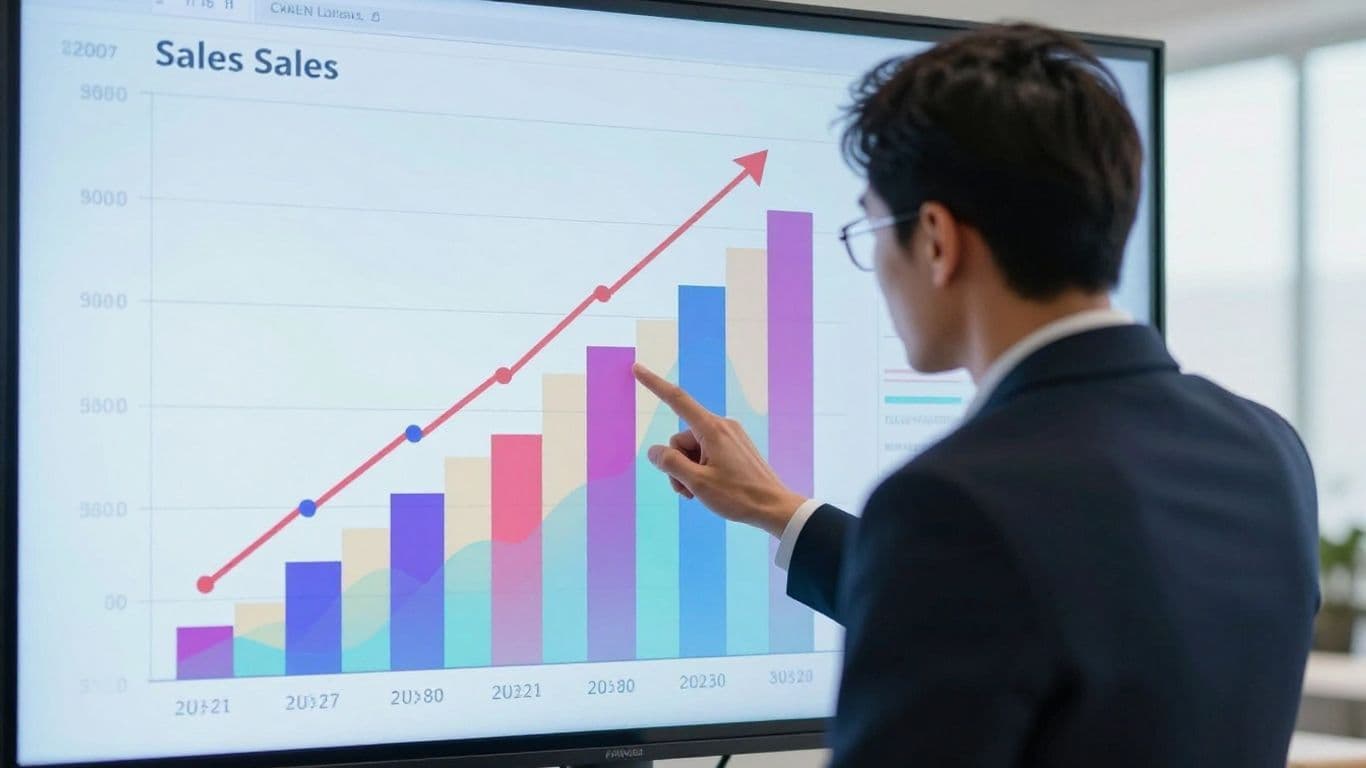
Sales funnel analysis allows businesses to visualize where prospects may drop off in the journey. It helps identify friction points, whether they are issues with website navigation, confusing messaging, or poor user experience. By understanding these points, businesses can make targeted improvements to ensure that customers continue moving through the funnel toward conversion.
When businesses understand their customers’ behavior at each stage, they can tailor their marketing efforts to better engage prospects. This includes personalized outreach, targeted messaging, and optimized content to move the prospect down the funnel more effectively.
Ultimately, the goal of analyzing the sales funnel is to improve conversion rates. By optimizing the stages of the funnel, businesses can increase the percentage of leads that move through to the final action. This leads to higher sales and better ROI on marketing and sales efforts.
At the awareness stage, prospects first learn about your brand, product, or service. This is typically the broadest part of the funnel, where businesses cast a wide net to attract a variety of leads.
Key Metrics to Track: Website traffic, social media engagement, impressions, and overall visibility.
How to Optimize: To capture attention in the awareness stage, businesses must focus on creating educational content such as blog posts, social media campaigns, and paid ads that resonate with their target audience. SEO optimization is crucial here to make sure your content is discoverable.
In the interest stage, prospects begin to show an active interest in your product or service. They might sign up for a newsletter, download a resource, or engage with your content on social media.
Key Metrics to Track: Lead capture forms, email sign-ups, content downloads, social shares, and engagement.
How to Optimize: This is the stage where businesses should focus on nurturing relationships. Providing more detailed content, such as case studies, whitepapers, and product demos, helps to educate the prospect further and build trust. Automated email sequences can be highly effective in keeping the conversation going.
The desire stage is where prospects become truly interested in purchasing. They are actively evaluating your product and may compare it to competitors. Here, businesses need to provide clear value propositions and demonstrate how their solution can meet the prospect’s needs.
Key Metrics to Track: Product inquiries, engagement with pricing pages, requests for demos, or consultations.
How to Optimize: In this stage, personalized content is key. Use dynamic website content, targeted email campaigns, and remarketing ads to remind leads about your solution and why it's the best choice for them. Case studies and testimonials can further build trust.
At the action stage, prospects are ready to make a purchase. This is where businesses need to ensure they provide a smooth, hassle-free process to encourage conversion. This stage can involve completing a purchase, signing a contract, or taking another desired action.
Key Metrics to Track: Conversion rate, average order value, cart abandonment, and payment success rate.
How to Optimize: Simplify the checkout process, provide clear calls to action, and offer limited-time offers or incentives to encourage immediate purchase. Address any remaining objections through FAQs or customer support.
Sales Funnel Visualization: Turning Data into Actionable Insights
Using sales funnel visualization tools is a great way to see how leads progress through each stage. Tools like Google Analytics, HubSpot, and EximAgent can automatically map out your funnel, showing the number of leads at each stage and where drop-offs are occurring.
With EximAgent, you can leverage AI-driven insights to track user behavior across multiple touchpoints and get a real-time view of your sales funnel performance. This allows for quick identification of problem areas and enables you to adjust your strategies accordingly.
One of the most important tasks in sales funnel analysis is to identify where prospects drop off. EximAgent helps businesses analyze behavior patterns, providing data on which parts of the funnel are the most problematic. Whether it’s abandonment on the pricing page, checkout page, or a lack of follow-up after an inquiry, understanding these gaps allows for more targeted fixes.
AI-powered tools like EximAgent can help businesses automate the analysis of funnel performance. These tools analyze customer data and automatically generate recommendations for improving specific stages, from refining lead capture forms to enhancing email marketing campaigns.
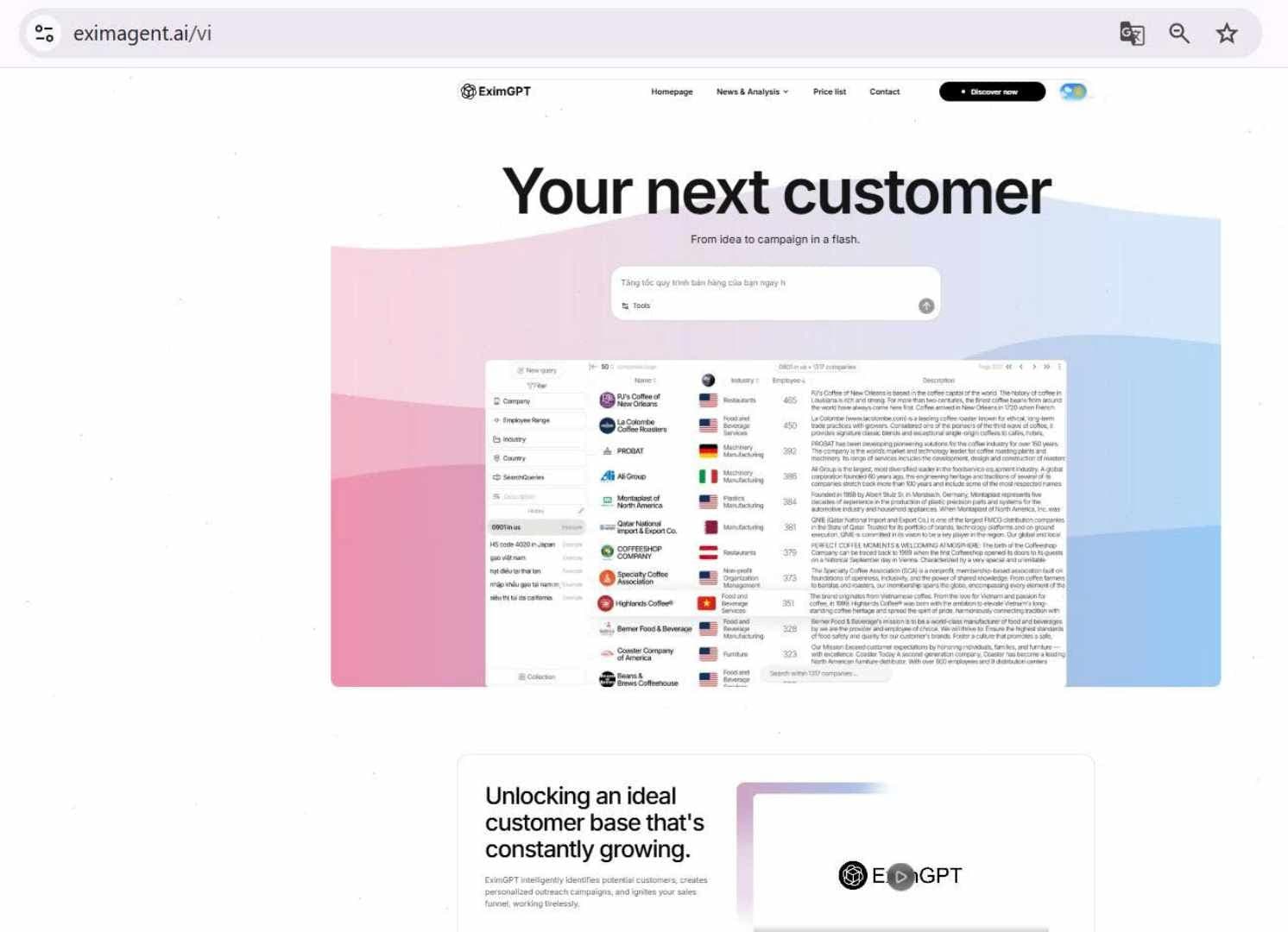
EximAgent is a AI-powered sales assistant designed to automate key aspects of your sales funnel analysis. With EximAgent, you can enhance each stage of the funnel with data-driven insights and automated lead nurturing. Here’s how EximAgent can help:
EximAgent uses AI-powered automation to generate and qualify leads. It analyzes customer behavior across multiple touchpoints, ensuring that only the most qualified leads enter your funnel. This reduces the manual effort involved in lead qualification and helps your sales team focus on the most promising prospects.
EximAgent offers intelligent lead scoring, which ensures that leads are prioritized based on their likelihood to convert. By analyzing past interactions, engagement levels, and buyer intent, EximAgent’s AI engine helps businesses focus on leads that are more likely to turn into paying customers.
EximAgent helps automate personalized email outreach, ensuring that every lead gets the right message at the right time. By using AI-driven insights into customer behavior, EximAgent can craft tailored emails that resonate with leads and push them further down the funnel.
With EximAgent, businesses can access real-time analytics and predictive insights into their sales funnel’s performance. This allows for quick decision-making and the ability to optimize your funnel in real-time, based on the data you receive.
With AI-powered automation, businesses can ensure that they are always engaging with the most qualified leads, offering personalized experiences, and improving their overall conversion rates. As AI technology continues to evolve, the ability to leverage AI-driven insights will be the key to staying ahead in an increasingly competitive marketplace.
Ready to optimize your sales funnel with AI? Start using EximAgent today to streamline your lead generation and boost your sales conversions!
Enter your email to receive the latest trade insights, guides, and HS-code explainers from EximAgent Blog.