Technology
EximAgent vs Apollo vs TradeAtlas: Best for Exporters?
Jun 29, 2026
Technology
A Bill of Lading (B/L) is a document issued by a carrier or their representative to the shipper after goods have been loaded onto the vessel
January 16, 2026By Davos Pham7 min readView as Markdown

Struggling to decode the "Bill of Landing"? You aren’t alone. This single document controls your cargo’s release and your payment, yet it is the #1 cause of shipping delays for new exporters. We will cut through the jargon, correct the spelling, and show you exactly how to protect your goods and your bottom line.
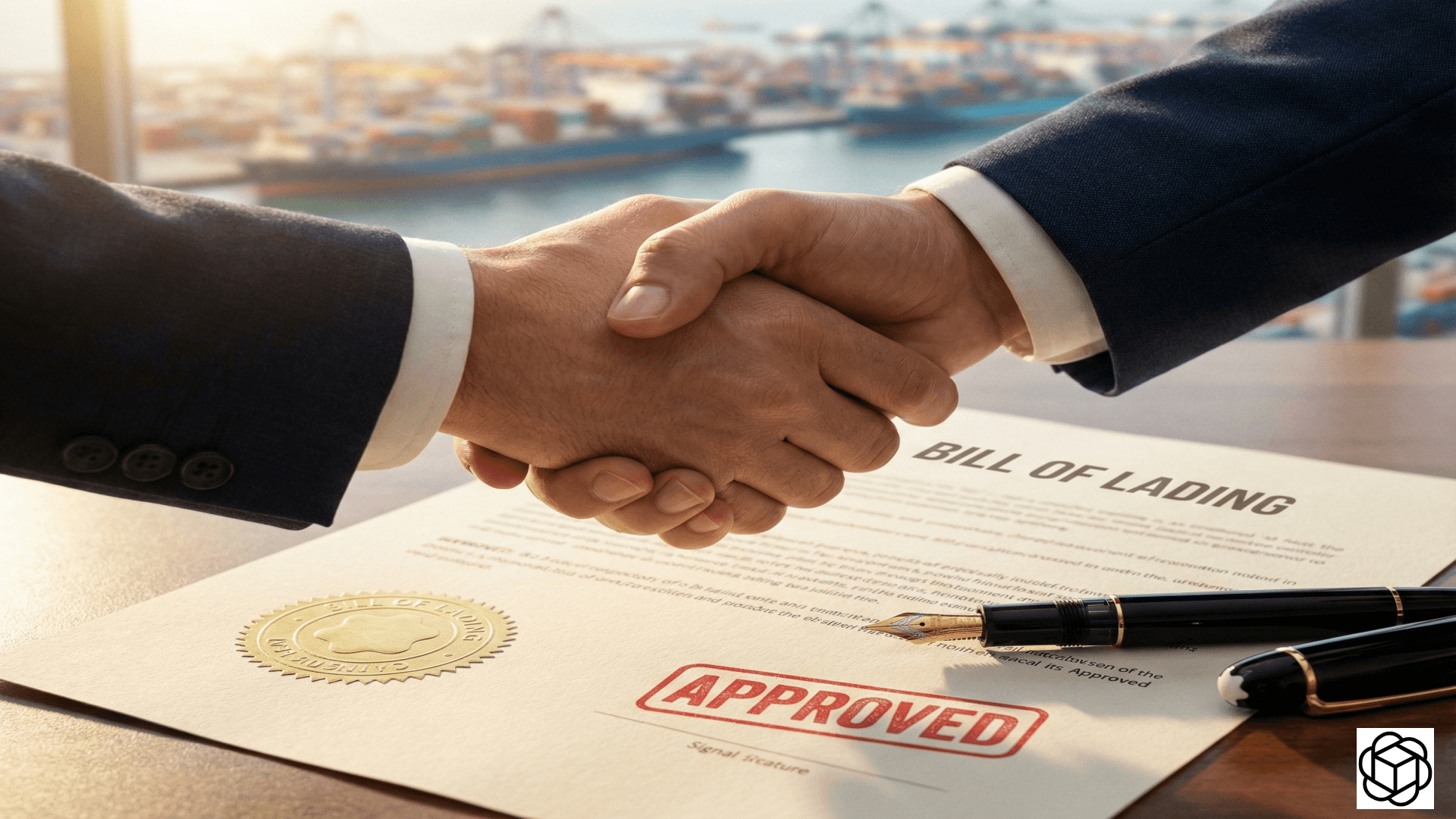
A Bill of Lading (B/L) is a legally binding document issued by a carrier to a shipper that details the type, quantity, and destination of goods. It serves three critical functions: a permanent receipt of cargo, a document of title allowing transfer of ownership, and evidence of the contract of carriage.
In the complex world of global logistics, a single piece of paper holds the power to release millions of dollars in goods or freeze a shipment in port indefinitely. This document is the Bill of Lading.
While frequently searched online as the "bill of landing," the correct terminology is Bill of Lading (derived from the Old English word "lading," meaning loading). Regardless of the spelling used, understanding this document is non-negotiable for exporters, importers, and freight forwarders. It is the lifeblood of the supply chain, ensuring that goods move from point A to point B with legal certainty.
In this guide, we will dissect the anatomy of a B/L, why it is the most important document in shipping, and how modern tools like EximAgent are revolutionizing how these documents are managed.
In the complex world of global logistics, a single piece of paper (or digital file) holds the power to release millions of dollars in goods or freeze a shipment in port indefinitely. This document is the Bill of Lading.
While frequently searched online as the "bill of landing," the correct terminology is Bill of Lading (derived from the Old English word "lading," meaning loading). Regardless of the spelling used, understanding this document is non-negotiable for exporters, importers, and freight forwarders. It is the lifeblood of the supply chain, ensuring that goods move from point A to point B with legal certainty.
In this guide, we will dissect the anatomy of a B/L, why it is the most important document in shipping, and how modern tools like EximAgent are revolutionizing how these documents are managed.
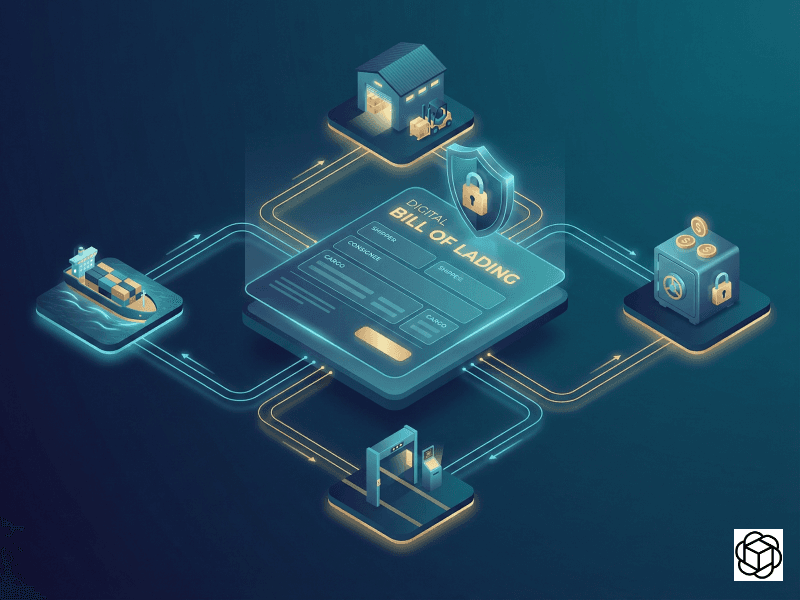
At its core, the Bill of Lading is a standard-form document that is transferable by endorsement (in certain formats). It acts as the "ticket" for your cargo. Without it, the port authorities will not release goods, and banks will not release payment under a Letter of Credit.
To understand its importance, you must understand its three distinct legal roles:
It is important to address the semantic elephant in the room. You will often see the term "bill of landing" used in casual conversation or search queries.
While "bill of landing" is a common misnomer, the function remains the same. Search engines recognize both, but for professional documentation and legal contracts, always use Bill of Lading.
The importance of the B/L extends beyond simple record-keeping. It is the mechanism that secures trust between parties who may be thousands of miles apart and have never met.
In international trade, exporters want to get paid before shipping, and importers want to receive goods before paying. The B/L solves this standoff. Strategies to secure international payments rely heavily on the accuracy of this document. Banks use the B/L as a trigger for payment. Once the exporter provides the B/L to the bank, proving the goods are on the ship, the bank releases funds to the exporter.
Customs authorities at the destination require the B/L to determine the value, classification, and admissibility of the goods. Without it, goods are considered "unmanifested" and can be seized.
If goods arrive damaged, the B/L is the primary evidence used in insurance claims. If the B/L was marked "Clean" upon loading but goods arrived damaged, the carrier is generally liable.
Understanding how the B/L fits into the macro-economic picture.
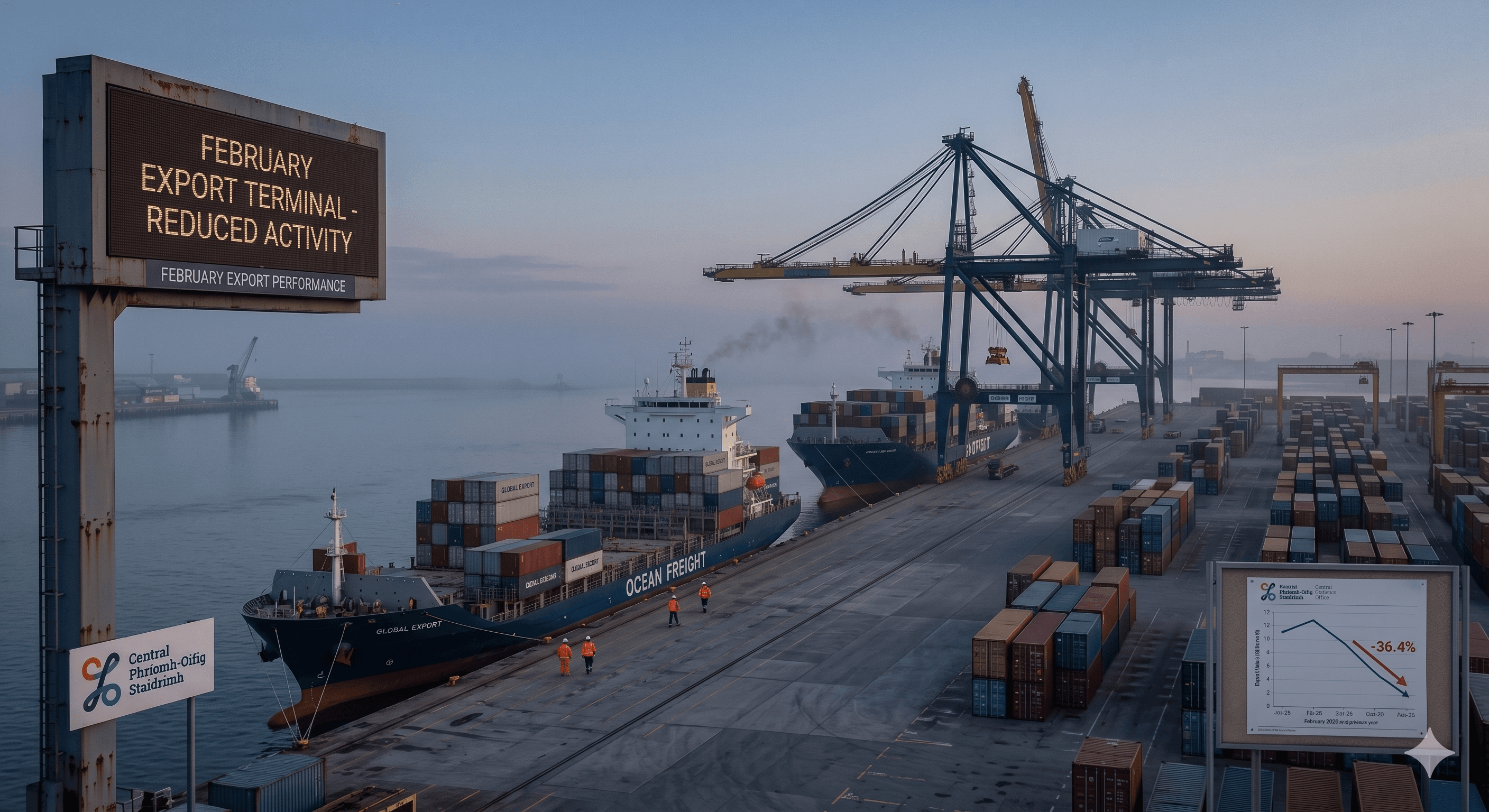
The efficiency of documentation like the Bill of Lading doesn't just affect individual shipments; it impacts the valuation of the entire logistics sector. When documentation flows smoothly, ports clear cargo faster, and logistics companies become more profitable.
We can see the ripple effect of logistics efficiency in the financial markets:
Every player in the supply chain, from port operators to last-mile delivery services, relies on the data integrity established by the Bill of Lading.
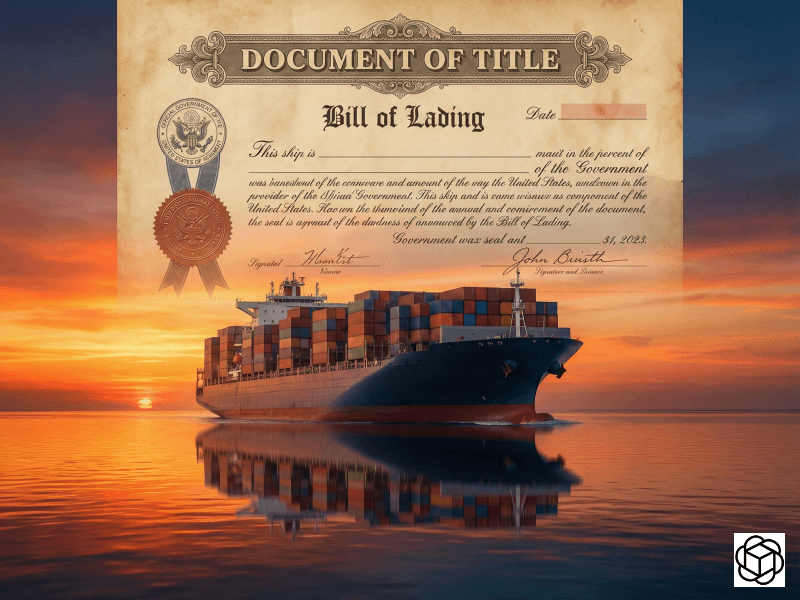
Not all B/Ls are created equal. Choosing the wrong type can lead to payment delays or loss of cargo control.
Type of B/L | Description | Best Used For |
Straight B/L | Non-negotiable. Goods are consigned to a specific person. | When the shipper has already been paid. |
Order B/L | Negotiable. Can be transferred to a third party by endorsement. | Trades involving Letters of Credit. |
Master B/L | Issued by the shipping line (Carrier) to the Forwarder. | Freight Forwarder consolidation. |
House B/L | Issued by the Freight Forwarder to the actual Exporter. | Groupage (LCL) shipments. |
Switch B/L | A second set of B/L issued to replace the original. | Concealing the supplier's identity in triangle trade. |
"Paper is the anchor dragging down modern trade."
As a Strategist in the logistics domain, I have observed that the reliance on physical Bills of Lading is the single biggest bottleneck in supply chains today. Sending a physical document via courier from India to the USA takes 3-5 days. If the ship arrives before the document, demurrage charges pile up.
The industry is moving toward Blockchain-enabled e-BLs. This ensures that the 'Title' can be transferred digitally in seconds, not days, preventing fraud and eliminating courier costs. However, adoption is slow due to lack of interoperability between different digital platforms. The future belongs to exporters who adopt digital documentation early.
Navigating the complexities of Bill of Landing (Bill of Lading) requirements, HS codes, and compliance norms can be overwhelming. This is where AI-driven solutions bridge the gap.
EximAgent serves as your intelligent trade assistant, designed to streamline the export-import process.
Don't let documentation errors stall your shipments. Leverage the power of EximAgent to ensure your Bills of Lading are accurate, compliant, and ready for global trade.
The Bill of Lading is the currency of international shipping. Whether you are tracking the Adani Port share price to time your shipments or monitoring the Shadowfax IPO GMP to understand logistics valuation, the fundamental unit of trade remains this document. Ensure you understand it, draft it correctly, and use tools like EximAgent to keep your supply chain moving.
Enter your email to receive the latest trade insights, guides, and HS-code explainers from EximAgent Blog.