Technology
EximAgent vs Apollo vs TradeAtlas: Best for Exporters?
Jun 29, 2026
Technology
Discover how a Free Trade Agreement (FTA) is essential for CEOs and trade professionals navigating international markets.
April 14, 2026By Davos Pham6 min readView as Markdown
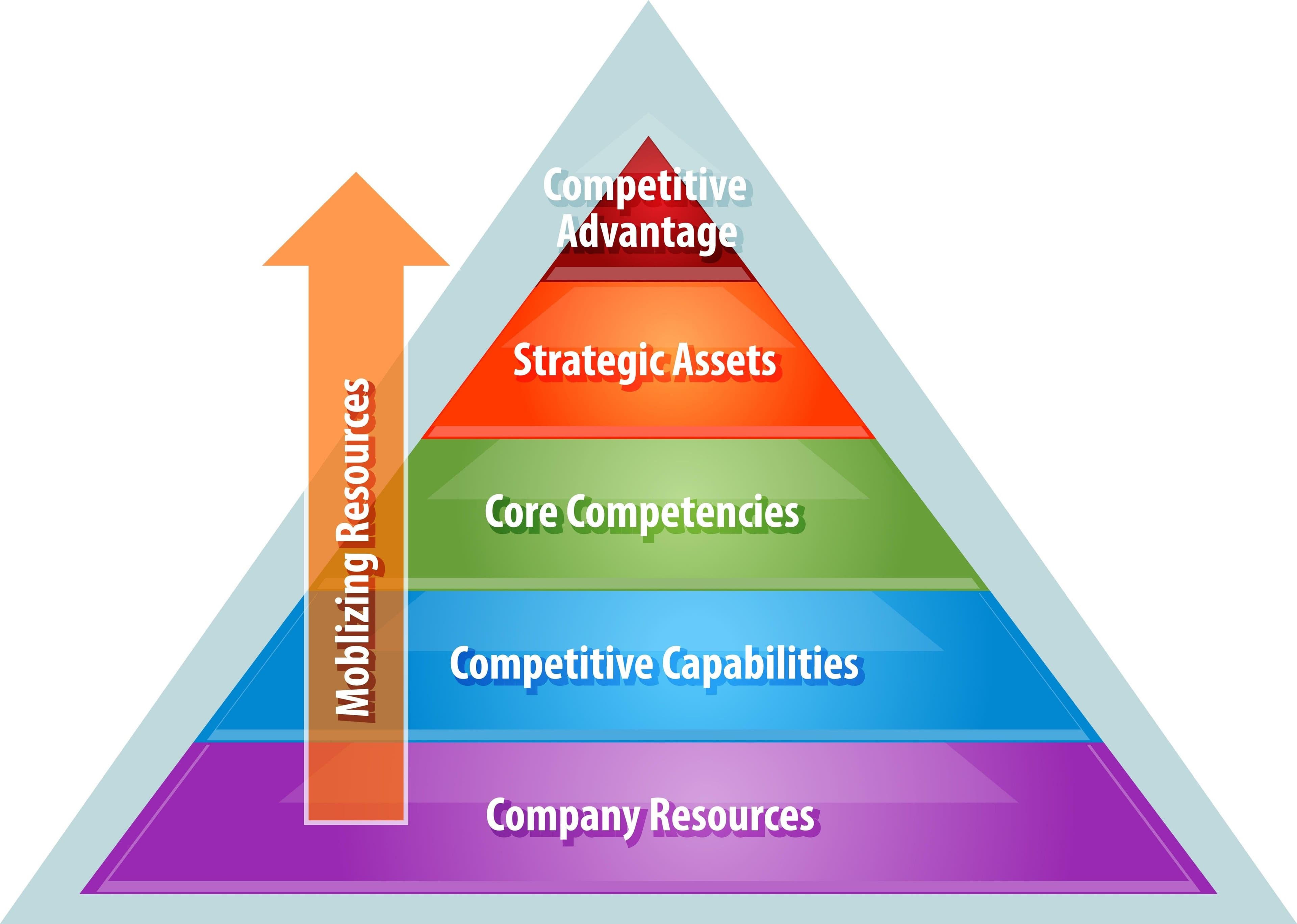
In the high-stakes world of international business, a Free Trade Agreement is more than just a legal treaty; it is a strategic roadmap. For CEOs, supply chain managers, and export-import professionals, understanding the nuances of these agreements is the difference between a profitable venture and a logistical nightmare.
As global markets become increasingly volatile, marked by shifting tariffs and geopolitical tensions, FTAs provide a rare semblance of stability. This guide explores the mechanics, history, and future of free trade, providing the intelligence needed to navigate the complexities of global market access.
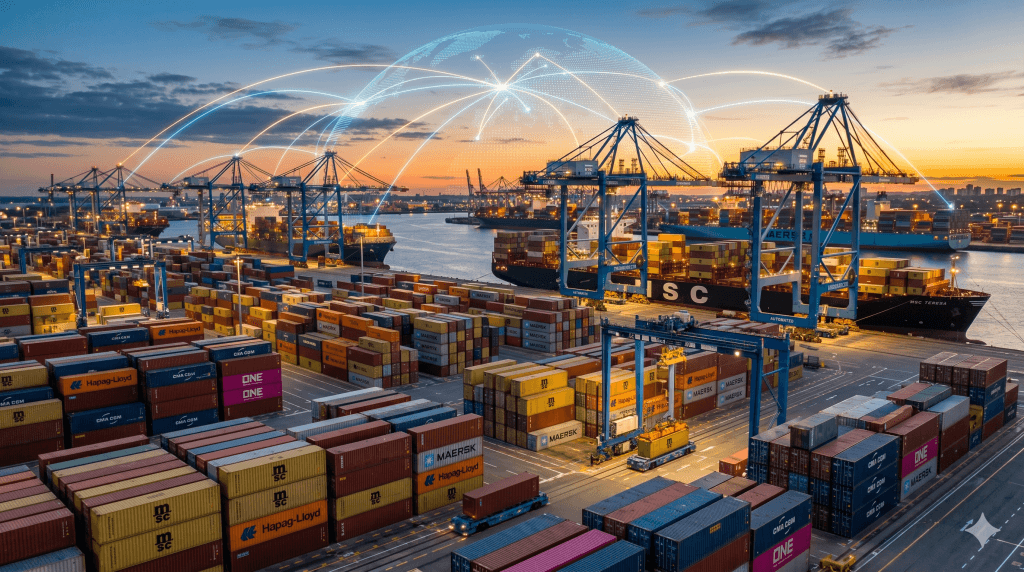
At its core, an FTA is an arrangement between two or more countries to reduce or eliminate barriers to trade. These barriers typically include:
Unlike a Customs Union, where member countries also set a common external tariff for non-members, an FTA allows each participating nation to maintain its own independent trade policies with outside countries.
To master trade, one must understand the economic theories that dictate government policy.
Before the 19th century, global trade was viewed through the lens of Mercantilism. This zero-sum game focused on accumulating gold and silver by maximizing exports and minimizing imports. Governments imposed heavy tariffs to protect domestic industries, often leading to “trade wars” and stifled innovation.
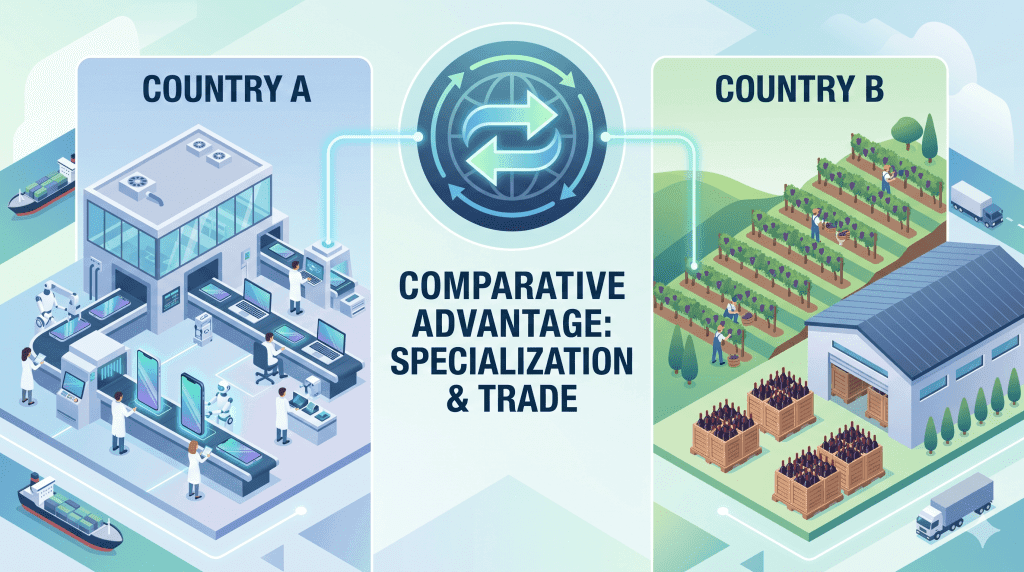
In 1817, David Ricardo changed the world with his theory of Comparative Advantage. He argued that even if one country is better at producing everything than another country, both still benefit from trade.
The Principle: A nation should specialize in producing goods where it has the lowest “opportunity cost” and trade for everything else. This specialization increases total global output and lowers prices for consumers everywhere.
Modern FTAs are rarely “pure” laissez-faire. They are highly negotiated documents that include:
This is the most critical technical aspect for EximAgent users. To prevent “trade deflection” (where a non-member sends goods through an FTA member just to get lower tariffs), FTAs have strict Rules of Origin. Your product must be proven to be “substantially transformed” or produced within the member country to qualify for duty-free status.
What happens when one country accuses another of “dumping” cheap steel or subsidizing its farmers? FTAs establish formal courts or panels to resolve these conflicts without escalating into a full-scale trade war.
FTAs allow you to source raw materials from across borders without the “tariff tax.” For an electronics manufacturer in Vietnam, this means importing high-tech components from South Korea (via the VKFTA) at 0% duty, significantly lowering the Final Product Cost.
When trade barriers fall, competition rises. This forces companies to innovate and lower prices. History shows that countries with open trade policies generally experience lower inflation rates on consumer goods compared to protectionist regimes.
FTAs act as a “seal of approval.” When a country signs an FTA with the U.S. or the EU, it signals to global investors that the country has a stable, rules-based legal environment, triggering massive inflows of capital.
No economic policy is without winners and losers.
The United States-Mexico-Canada Agreement updated the old NAFTA to include digital trade, labor protections, and stricter automotive rules. It represents nearly $1.5 trillion in annual trade.
The EU goes beyond a simple FTA. It is a Single Market where goods, services, capital, and people move freely. The adoption of the Euro further eliminated “exchange rate risk,” making it the most integrated trading bloc in history.
The Asia-Pacific region is now the engine of global growth. The Comprehensive and Progressive Agreement for Trans-Pacific Partnership (CPTPP) and the Regional Comprehensive Economic Partnership (RCEP) are creating a massive, duty-free corridor that connects ASEAN nations with China, Japan, and Australia.
As of late 2025 and into 2026, we have seen a resurgence of “Neo-Mercantilism.” With the U.S. implementing baseline global tariffs (often 10%) and specific high-level tariffs on China (up to 125%), the “Free” in Free Trade is being tested.
Strategic Tip for EximAgent Users: In this environment, your “HS Code Intelligence” is vital. Correct classification can mean the difference between paying a 2.5% general tariff and a 25% retaliatory duty.
The next generation of Free Trade Agreements will not focus on tariffs (which are already low) but on Digital Trade and Carbon Borders. Future pacts will harmonize data privacy laws and penalize carbon-heavy imports.
For the modern entrepreneur, the goal is clear: stay informed, stay agile, and use the framework of FTAs to turn global borders into business opportunities.
While both aim to reduce transaction barriers, a Free Trade Agreement allows member countries to maintain their own independent tariffs against non-members. In contrast, a Customs Union requires all members to adopt a common external tariff for trade with the rest of the world.
FTAs benefit small businesses by lowering the cost of entry into foreign markets. By removing high tariffs, smaller enterprises can price their products competitively against local brands. However, they must stay diligent with Rules of Origin documentation to qualify for these benefits.
The most impactful agreements currently include the USMCA (North America), the RCEP (Asia-Pacific), and the CPTPP. These blocs represent the majority of global GDP and offer the most streamlined logistics for international traders.
Not necessarily. While many FTAs aim for 0% tariffs, some sensitive goods may have “preferential rates” that are lower than standard duties but not entirely free. Additionally, some tariffs are phased out over several years rather than eliminated immediately.
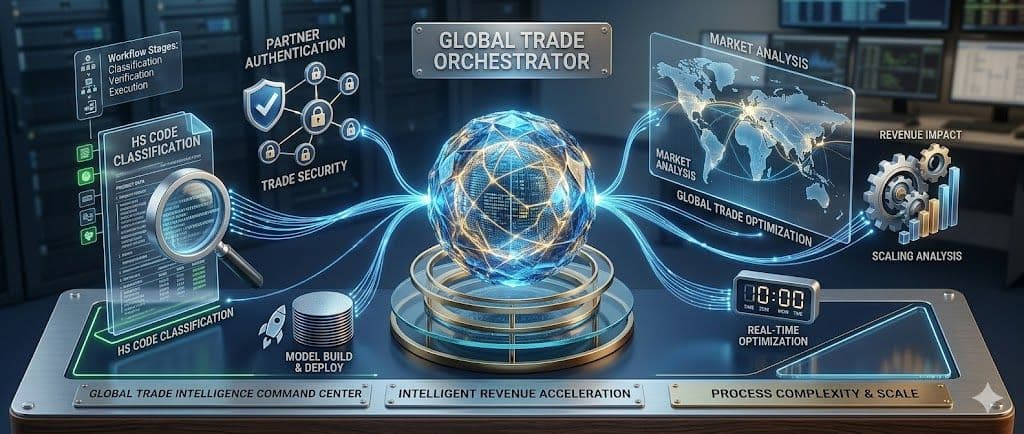
EximAgent provides HS Code Intelligence and digital footprint analysis to help businesses correctly classify their goods. This ensures you are applying for the correct FTA benefits and avoiding the heavy penalties associated with misclassification.
Don’t let complex tariffs and shifting trade agreements slow your growth. Whether you are exporting to the US or sourcing from Asia, EximAgent gives you the AI-powered intelligence to identify the best trade routes and verify international partners in seconds.
[Start Your Free Trial with EximAgent]
Join 5,000+ global enterprises optimizing their supply chains today.
Enter your email to receive the latest trade insights, guides, and HS-code explainers from EximAgent Blog.