Technology
EximAgent vs Apollo vs TradeAtlas: Best for Exporters?
Jun 29, 2026
Technology
For large companies, they have professional finance departments that frequently use derivative instruments to hedge against exchange...
May 15, 2025By Davos Pham4 min readView as Markdown
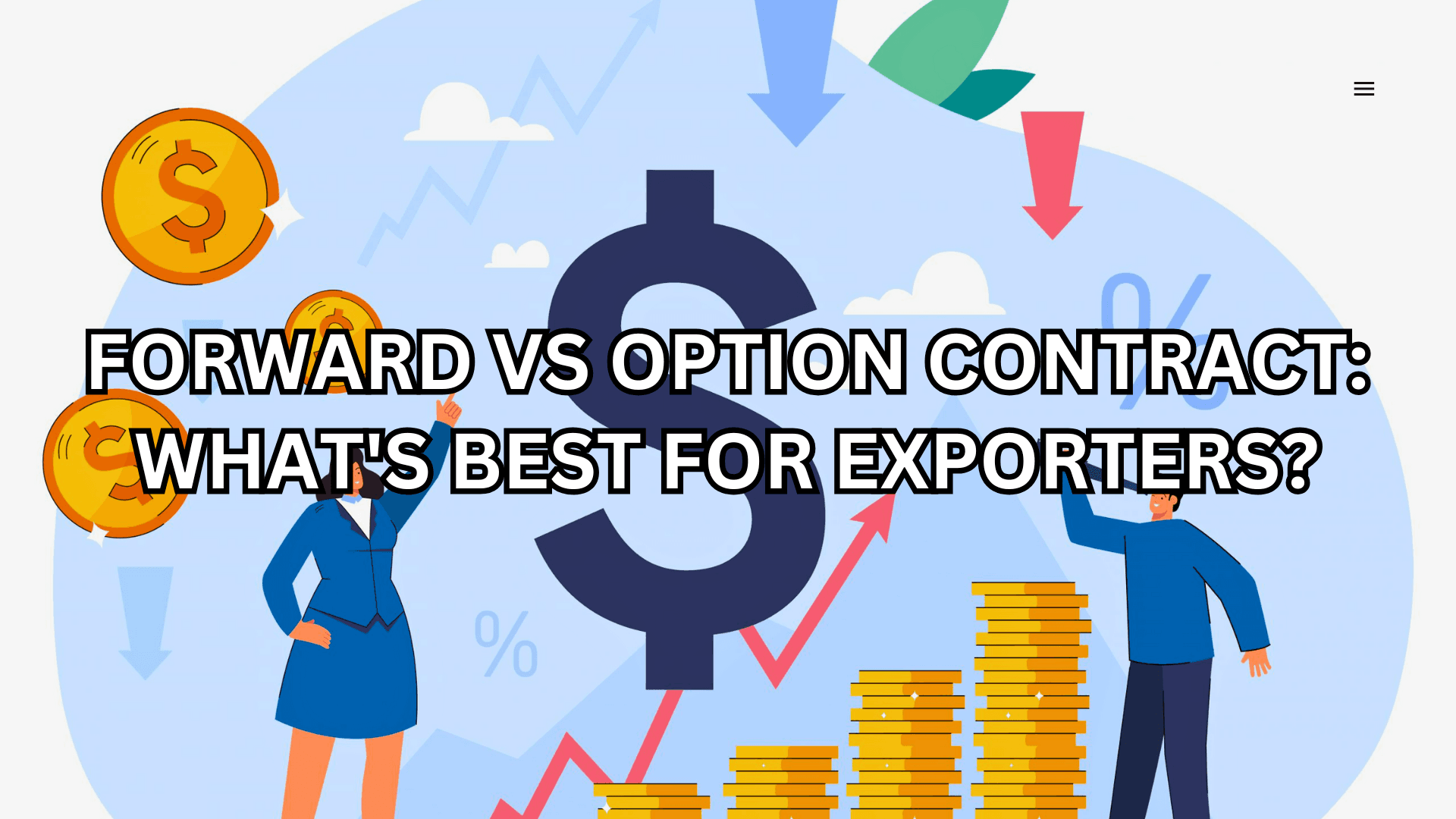
In the export industry, the exchange rate is always a double-edged sword. When the rate moves favorably, exporters can earn additional profit without raising selling prices. However, if the rate shifts in the opposite direction, profits can “evaporate” overnight.
For large companies, they have professional finance departments that frequently use derivative instruments to hedge against exchange rate risks. But for small and medium enterprises (SMEs) – with limited capital and thin profit margins – even a small exchange rate fluctuation can cause significant impacts.
The exchange rate is not just a number, but a matter of survival.
Therefore, hedging against exchange rate risk is no longer optional – it’s a necessity. Among the most common tools, the two most prominent names are: Forward Contract and Option Contract. But which is more suitable?
A Forward Contract is an agreement between two parties to buy or sell a foreign currency at a fixed exchange rate at the time of contract signing, with settlement to occur at a future date (e.g. 30, 60, or 90 days later).
Advantages:
Limitations:
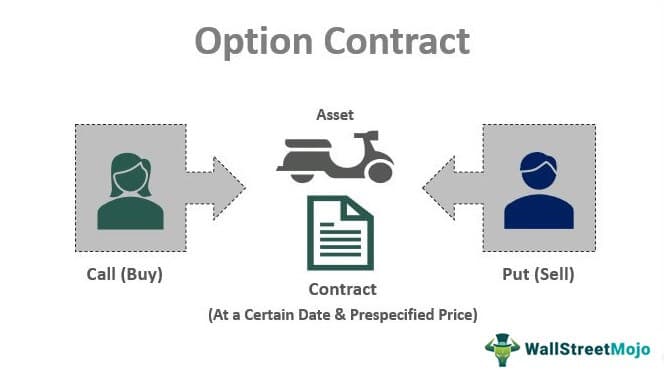
An Option Contract is an agreement that gives (but does not obligate) the business to buy or sell foreign currency at a fixed exchange rate in the future. To obtain this right, the business must pay a premium to the bank.
Advantages:
Limitations:
Criteria | Forward Contract | Option Contract |
|---|---|---|
Risk Mitigation | 100% hedging against exchange rate risks | Risk mitigation + benefit from favorable movements |
Cost | Virtually free | Includes option premium cost |
Flexibility | Low – mandatory execution | High – right, not obligation |
Complexity | Easy to understand and execute | Requires deeper financial knowledge |
Suitable for | Businesses prioritizing certainty and strict risk control | Businesses open to minor risks and seeking to optimize profits |
Conclusion:
If you’re an SME new to international markets without an in-house finance department, the Forward Contract is a safe, easy-to-implement, and cost-free option.
If your business has more experience, is willing to invest in opportunities, and has financial advisory support, the Option Contract is worth considering.
✅ When to choose a Forward Contract?
Example:
A coffee export company has signed a deal to sell 50 tons of coffee to the EU at $2,000/ton. They plan to use this money to pay local suppliers. If the USD/VND rate falls, they could incur heavy losses. Therefore, they sign a Forward Contract with the bank to fix the exchange rate at 24,500 VND/USD after 60 days – allowing the company to confidently plan their finances.
✅ When to choose an Option Contract?
Example:
A handicraft company exporting to Japan believes the yen will strengthen in the next two months. They still want protection in case the yen weakens, so they buy an Option Contract. When the exchange rate increases as expected, they skip the option and sell at the higher market rate – hedging the risk while also profiting.
Don’t wait until you lose money to think about hedging. You don’t need to use complex financial instruments, but you should at least understand the basics of Forward and Option contracts so you can be proactive when working with banks.
Always consult carefully with financial advisors or bank representatives before choosing a tool.
Sometimes, a simple tool like a Forward Contract is enough to help you avoid major losses.
If you export regularly, consider working with a bank that has a support team for SMEs in international finance.
Enter your email to receive the latest trade insights, guides, and HS-code explainers from EximAgent Blog.