Artificial Intelligence
India Soymeal Exports Plunge to 4-Year Low Amid Price Surge
May 21, 2026
Artificial Intelligence
Learn how sales artificial intelligence is reshaping modern selling. Enhance lead management, close more deals, and drive faster growth.
May 25, 2026By Davos Pham4 min readView as Markdown

Quick Answer: Sales artificial intelligence (Sales AI) uses machine learning and natural language processing to analyze data, score leads, automate outreach, and predict deal outcomes. Companies using AI in sales report up to 50% more leads generated, 47% higher lead-to-opportunity rates, and shorter sales cycles, while freeing reps to focus on relationships and closing.
Sales artificial intelligence is the application of AI technologies — primarily machine learning (ML) and natural language processing (NLP) — to help sales teams qualify leads, engage prospects, and close deals more effectively.
Unlike traditional sales automation that simply executes tasks, sales AI:
In short: Automation does the task. AI decides which task to do, when, and why.

Technology | What It Does | Sales Use Case |
|---|---|---|
Machine Learning | Learns from historical data | Lead scoring, forecasting |
Natural Language Processing | Understands human language | Call analysis, email drafting |
Predictive Analytics | Forecasts future outcomes | Deal risk scoring, pipeline prediction |
Generative AI | Creates new content | Personalized outreach, proposals |
Sales technology has moved through four clear stages:
Today, AI sits on top of these layers, turning sales data into practical guidance rather than static reports.

AI scores leads based on firmographics, behavior, and buying signals — so reps focus only on prospects most likely to convert.
AI tracks actions like repeated pricing-page visits, whitepaper downloads, and social engagement, then alerts reps to reach out at the right moment.
AI identifies ideal customer profiles (ICPs) and surfaces high-value prospects automatically. Teams using AI prospecting report up to 50% more leads generated.
AI analyzes recorded calls, flags missed opportunities (e.g., not asking discovery questions), and gives personalized coaching feedback at scale.
AI flags at-risk deals, recommends next-best actions, and improves forecast accuracy using historical patterns and current pipeline behavior.
AI assigns leads to the right rep, triggers follow-up sequences, and schedules meetings — eliminating manual admin work.
AI excels at:
Humans excel at:
The winning formula: AI handles the data and admin; humans handle the conversation and the close.
Metric | Before AI | After AI | Change |
|---|---|---|---|
Lead-to-Opportunity Rate | 15% | 22% | +47% |
Average Deal Size | $50,000 | $62,000 | +24% |
Quota Attainment | 60% | 75% | +25% |
Sales Cycle Length | 90 days | 75 days | –17% |
AI agents will independently research accounts, draft call plans, send follow-ups, and update CRMs — letting reps focus purely on strategy and relationships.
By unifying marketing, sales, and customer success data, AI will deliver real-time personalized messaging, pricing, and offers for every buyer.
The gap between AI-enabled and non-AI sales teams is widening fast — in win rates, quota attainment, and revenue growth.
Future-ready reps will need to:
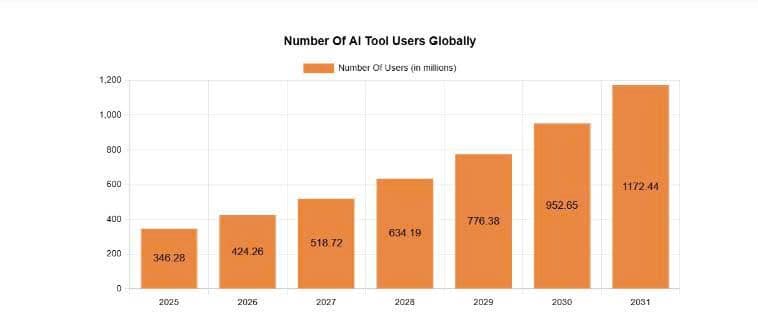
Source: https://www.digitalsilk.com/digital-trends/ai-statistics/
What is sales artificial intelligence? Sales AI uses machine learning and NLP to analyze data, qualify leads, automate outreach, and predict deal outcomes — helping reps sell smarter and faster.
Will AI replace salespeople? No. AI handles data and repetitive tasks; humans handle relationships, negotiation, and trust. The most successful teams combine both.
How does AI help generate leads? AI scores prospects using behavioral and firmographic data, identifies buying signals in real time, and prioritizes outreach — increasing lead quality by up to 50%.
Can AI coach sales reps? Yes. AI analyzes call recordings, identifies skill gaps, and delivers personalized, scalable coaching — supplementing (not replacing) human managers.
How do I measure if sales AI is working? Track leading indicators (activity, response time, engagement) and lagging indicators (conversion rates, deal size, quota attainment, forecast accuracy).
What's next for AI in sales? Autonomous AI agents handling end-to-end workflows, hyper-personalization at scale, and a growing performance gap between AI-enabled teams and the rest.
Enter your email to receive the latest trade insights, guides, and HS-code explainers from EximAgent Blog.