Logistics
How to Accurately Classify Goods Using HS Codes
Jun 1, 2025
Export Import
One wrong HS code can hold a shipment for weeks. How classification really works, and how EximAgent gets you to the right code, duty, and buyer list not just a number.
July 22, 2026By Seed Admin9 min readView as Markdown
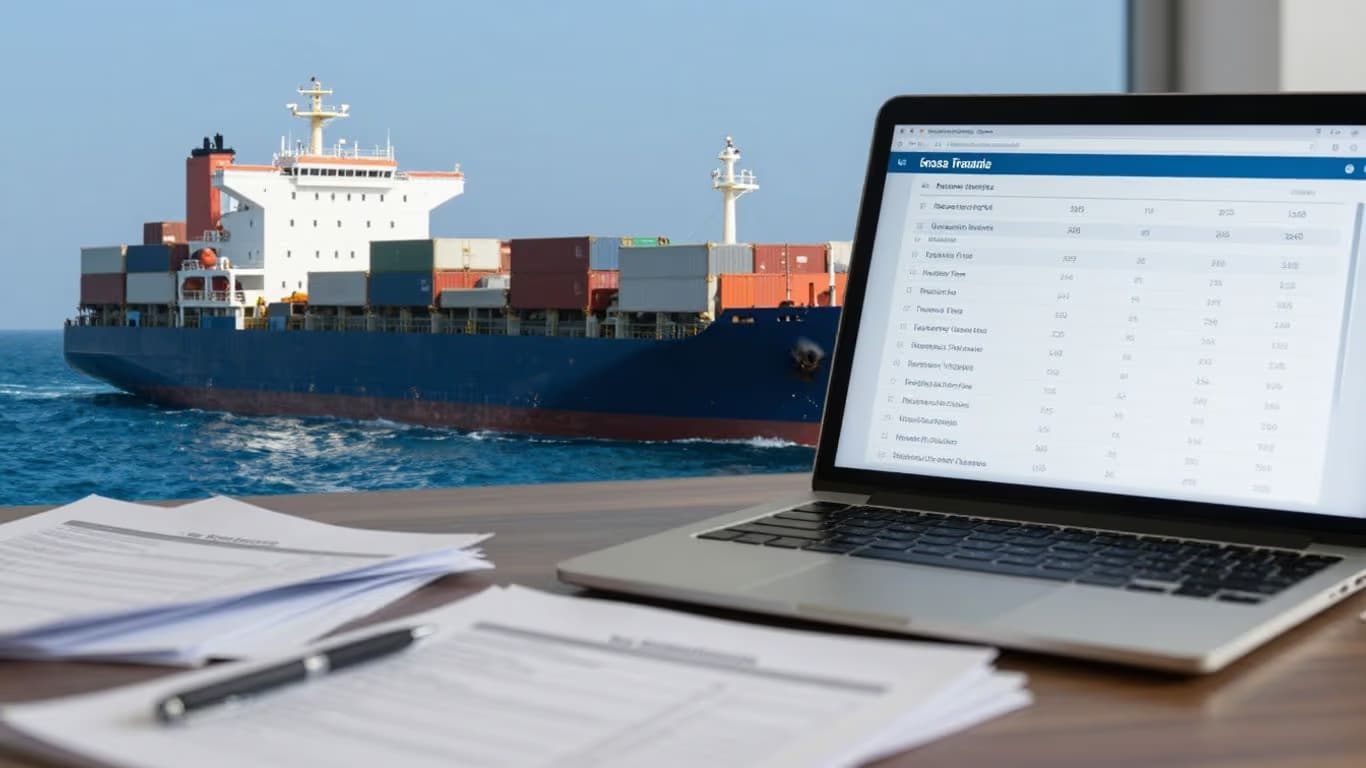
Misclassifying a product can create consequences far beyond an incorrect customs form. A shipment can sit in a bonded warehouse for review while storage fees quietly stack up and if the delay blows past a delivery deadline, the importer is usually the one explaining it to the customer, on top of whatever back duty or penalty customs decides to charge.
Multi-component products are especially difficult. Consider a hiking backpack made from polyester fabric, an aluminium frame, plastic fittings and metal zippers. Classification cannot be determined simply by choosing the heaviest, most expensive or most visible material. Customs authorities apply the General Rules of Interpretation, relevant legal notes and, where applicable, an “essential character” analysis.
An HS Code Lookup Tool can make the research process faster, but it should support—not replace—a documented classification review. None of this means you need a customs lawyer for every SKU. It means the research needs a system, one that gets you to the right code, shows what it will cost to land, and tells you who eles is bying under that code, that is the gap EximAgent is built to close.
The Harmonized System is an international nomenclature managed by the World Customs Organization (WCO). More than 200 countries around the world so that all parties (import, export customs clearance and statistic agencies) they use the same ''language'' when describing a product. To navigate this global system seamlessly, businesses rely on a reliable HS Code Lookup Tool to identify accurate classifications for their trade operations. Thousands of products are categorized under this structure to ensure that everyone from regulators to shippers uses the same terminology when describing materials or finished goods.
The HS covers more than 5,000 commodity groups. Each group is supported by legal rules, section and chapter notes, headings, subheading and explantory material. That legal structure is why a keyword match alone is not always enough to classify a product
You can Understand Harmonized System codes to build a reliable base for your import and export procedures.
HS Codes follow a clear hierarchy: The first 2 digits stand for the CHAPTER, 4 digits form the HEADING and 6 digits left make up the SUBHEADING, which is also identical across every country. Take an example for 0901.21, this means: Chapter 09 covers coffee, tea and spices. The heading 0901 specifies coffee and Subheading 21 narrows it down to roasted no caffein. Beyond the 6th digit, each country appends its own numbers to manage local duty rates. For example: USA uses a 10-digit HTS code, while Vietnam uses an 8-digit code under the AHTN tariff schedule. Because navigating these national variations can get tricky fast, using a modern HS Code Lookup Tool helps user map from global subheadings to country-specific tariff codes without the manual headache.
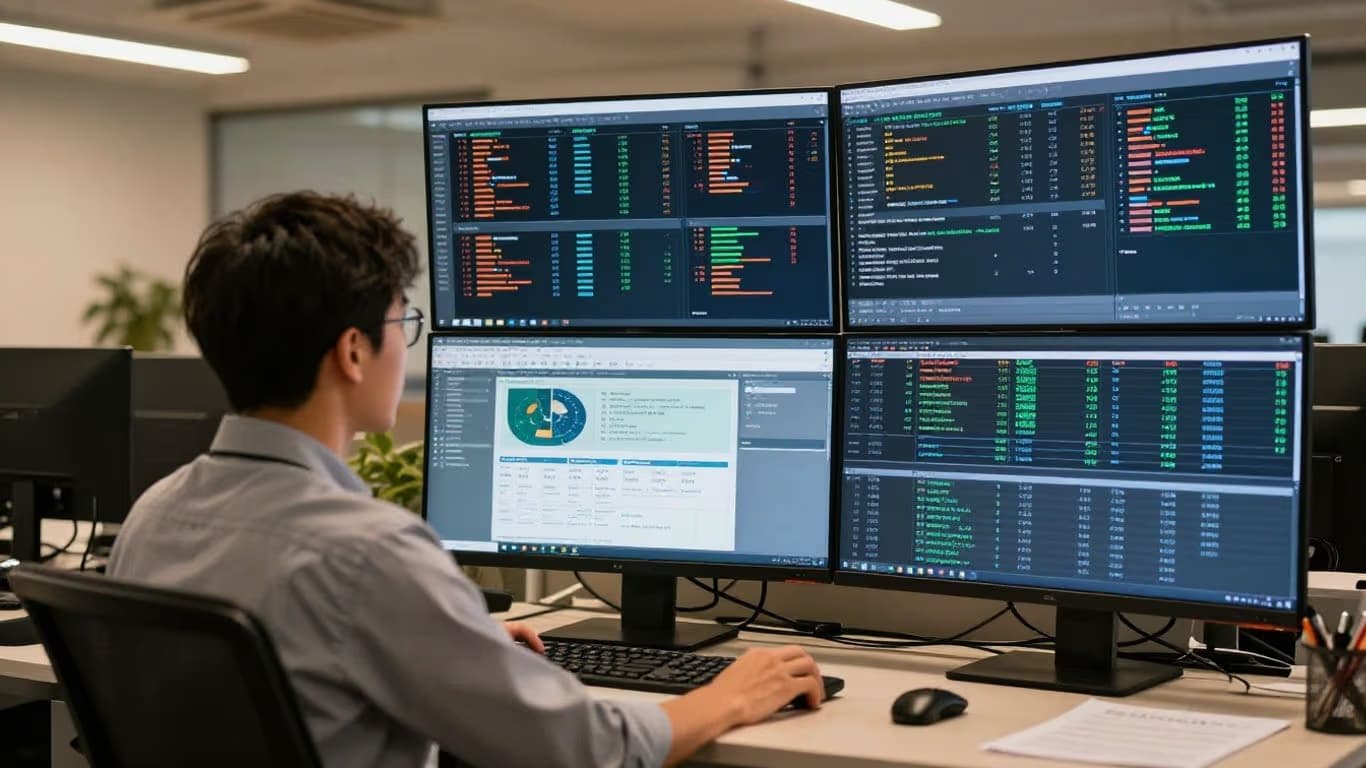
A modern Hs Code Lookup Tool can reduce time spent searching static tariff schedules. It can surface relevant chapters, heading and subheadings from a plain-language product description.
However, no software can guarantee a legally binding classification from a short product name alone. Accurate classification depends on complete product specifications and the proper application of the legal rules.
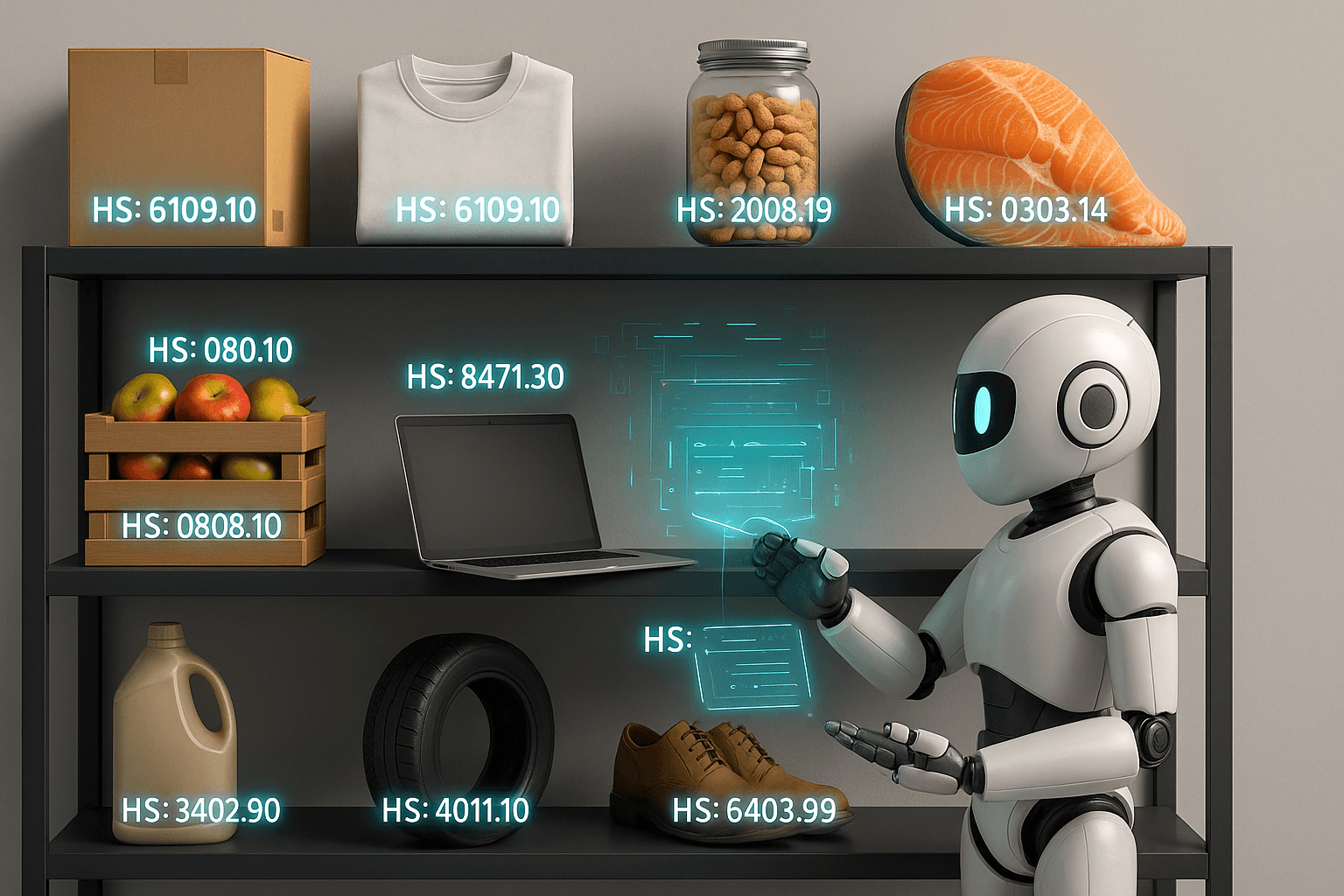
Instead of checking through static tables, EximAgent reimagines how an HS Code Lookup Tool should work across 4 simples steps:
Search using everyday product terms, just type in plain descriptions like ''roasted coffee'' no need have knowledge of customs specific codes required. Such as:
- roasted coffee
- polyester hiking backpack with aluminium frame
- stainless-steel food-processing part
Just ask directly, for example '' landed cost for importing olive oil from Spain to the USA'' and the tool instantly delivers the exact HS Code, duty rates, applicate Free Trade Agreement (FTA) preferences and total landed cost (good price + duties + fees)
An interactive classification wizard that guides you straight to the exact 6-digit code. This is where EximAgent truly sets itself apart a conventional HS Code Lookup Tool: it askes smart, with coffee might ask ''I sit roasted?'' or "Is it non-caffein?'' Once you respond, it actually explains why that specific code applies instead of just dropping a random number in your lap. Most standard directories simply display static lists, leaving you to guess your way through.
Instant buyer recommendations for products under that code. Like your goal extends beyond customs clearance to actually growing your market, built-in trade flow data turns your routine search into an immediate customer discovery step.
Performing a search on HS Code Lookup Tool is always 100% free to full buyer details is unlocked with paid plans at: https://hscode.eximagent.ai/
Products deliveried of several distinct materials often pose the greatest challenge for logistics teams. You must decide which component defines the primary identity of the good for classification purposes. Without clear guidelines, teams often struggle to assign a code that satisfies both internal cataloging needs and external regulatory requirements. For example: A backpack buitt with an aluminum frame, polyester fabric and metal zippers - Its HS Code must be defined by whichever component gives the product its essential character or primary function, not simply what is heaviest or cheapest. There will be no rigid, plug and play formula. Like, two people looking up the same product can easily end up with two completely different codes if they aren't following the same classification logic. This is precisely why relying on an intelligent HS Code Lookup Tool is critical to ensure your reasoning aligns with customs standards right from the start.
Tariff descriptions are unclear, a lot of descriptions in the tariff written decades ago, before high-technical product or new materials was produced so that with the new products (for example like technical production integrate multi functions) word-for-word descriptions is often ambiguous and confusing.
Regular HS updates cause compliance risks, The WWCO updates the HS Nomenclature every 5 tears (most recently in 2022, with the next in 2027). Without periodic reviews of their product catalog, businesses can easily end up filling declarations using retired or altered codes.
Before checking, have to prepare 4 information for the tools to classify faster and more accurately
Material breakdown by value ( not weight)
Primary function (ignore secondary marketing claims)
Core processing method (example: solid wood vs engineered wood, woven vs fabric)
Country of origin and applicable FTAs for your target route.
According to the high priority of high risky (electronic, chemical....) should have the references from the customers clearance staff or the
Not every product can be classified easily by simple logic engines. Some items involve high regulatory scrutiny, such as electronics or chemically active materials. In these instances, seeking advice from a licensed customs broker or specialized legal consultant is a prudent move to shield your business from unnecessary liabilities.
If you ever have to justify a classification choice to a customs official, having a written record of your decision-making process will be invaluable. Document what information you relied on, which description convinced you, and the date of the search. This record turns an intimidating audit into a manageable clerical task.
Taking charge of your classification data is effectively an exercise in risk mitigation. Compliance is not a one-time setup; it is a consistent effort to align your physical shipments with the legal requirements of every destination country. Failing to pay attention to these details can impact your bottom line directly.
Back taxes and penalties, the customs authorities reserve the right to collect back taxes for any duty underpayments, along with administrative fines. Because penalty rules differ by country, consult (cbp.gov) or the relevant customs to review the specific penalty structure for your trade route. Using a precise HS Code Lookup Tool helps you avoid these compliance pitfalls before your shipment even leaves the port.
Maintain the product to recycle, theses cargo can be stuck in bonded storage for days or even weeks during code verification, ranking up warehouse fees and causing missed delivery deadlines.
EximAgent can connect several stages of trade research without treating them as one guaranteed answer.
Start with a detailed product description, not only a marketing name
Use EximAgent's HS search or browse the public HS taxonomy to identify relevant headings and subheadings.
Review the legal text, notes, GRIs and relevant national rulings. Escalate ambiguous or high-risk cases to a qualified professional or customs authority.
Use the validated code with the exporter, importer and other shipment inputs to review tariff rates, potential trade measures and landed-cost exposure.
If the commercial objective extends beyond compliance, use the product, HS code and destination market to examine shipment activity and discover potential buyers or importers.
Review company fit before paying for contact enrichment or beginning outreach. Treat confidence labels honestly: verified contact data is stronger than extracted or inferred information.
Getting your HS code right on the first try does more than just shield you from fines or customs holds, it helps you calculate exact landed costs before quoting prices and reveals who is actively buying your product in target markets. Try our smart HS Code Lookup Tool for your product today at https://hscode.eximagent.ai/ it free, comes with clear classification rationale, and saves you from digging through thousands of pages of tariff schedules.
Should review product catalog at least once a year, and a full review is mandatory whenever the WCO releases its periodic nomenclature updates (roughly 5-year cycle - mostly recently in 2022, with the next in 2027) Using an up-to-date HS Code Lookup Tool makes annual audits fast and ensures your product master data stays fully compliant with changing global tariffs.
Yes, because import systems are managed by national authorities to assess specific duties, while export codes often align more closely with general international classification standards for statistical tracking. A country may also use different national systems for imports and exports, such as the U.S. HTS for imports and Schedule B for exports
Possible consequences include additional duties, overpaid duties, interest, penalties, customs delays and document corrections. More serious enforcement action depends on the jurisdiction and facts.
No. A tool can surface relevant codes and data, but it cannot compensate for incomplete specifications or replace a binding decision from customs.
You do not need to be an expert, but you do need access to reliable classification tools and clear product specifications to make informed decisions for your shipments.
Use official sources from the World Customs Organization, the national customs authority and the current tariff schedule of the importing country.
The public HS taxonomy can be browsed at hscode.eximagent.ai. Access to byer details, enrichment, tariff intelligence and other platform workflows may vary by plan. Check the current EximAgent product interface for pricing and availability.
Enter your email to receive the latest trade insights, guides, and HS-code explainers from EximAgent Blog.


.png&w=3840&q=75)