Logistics
AI Export Lead Gen & Customer Service Automation | Export
Dec 7, 2025
Logistics
Stuck at the border? Learn how to fix incorrect HS codes, missing invoices, and other common customs clearance issues to release your cargo fast.
December 26, 2025By Davos Pham7 min readView as Markdown
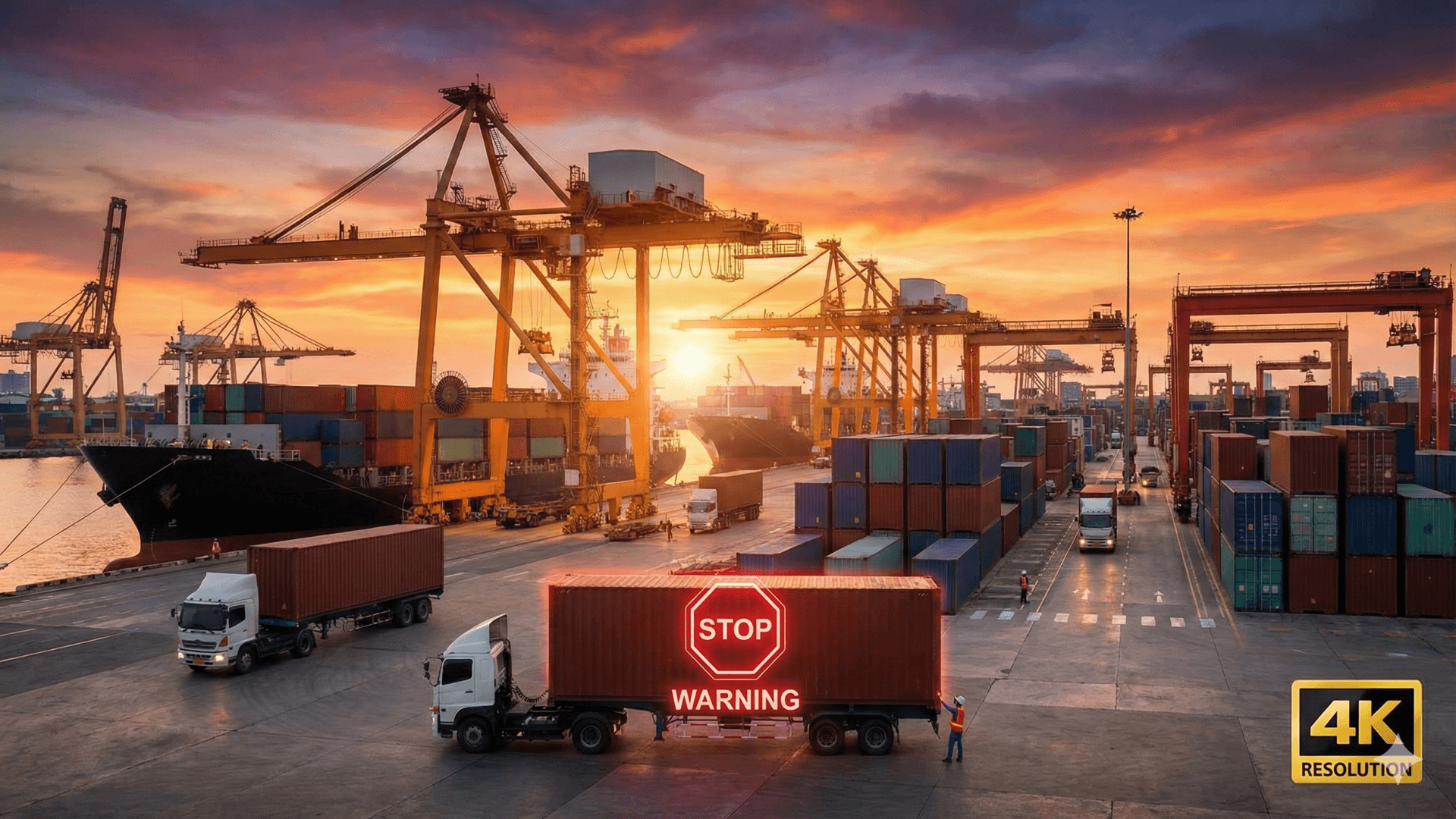
It is the nightmare scenario for every logistics manager: Your vessel has docked, the timeline is tight, and your notification screen is flashing red. Instead of moving to the warehouse, your cargo is stuck at the port.
Customs clearance issues are more than just administrative headaches; they are financial sinkholes. In 2025, with global supply chains operating on tighter-than-ever "Just-in-Time" schedules, a delay of even 24 hours can trigger a domino effect of production stoppages and missed delivery windows. Worst of all, the silent killers of profit—Demurrage and Detention (DEM/DET) fees—start accumulating the moment your free time expires.
In this guide, we will dissect exactly why shipments get held, how to diagnose the problem using systems like ECUS/VNACCS, and the precise steps to resolve them. Finally, we will look at how AI is revolutionizing this process to prevent errors before they ever reach the customs officer.
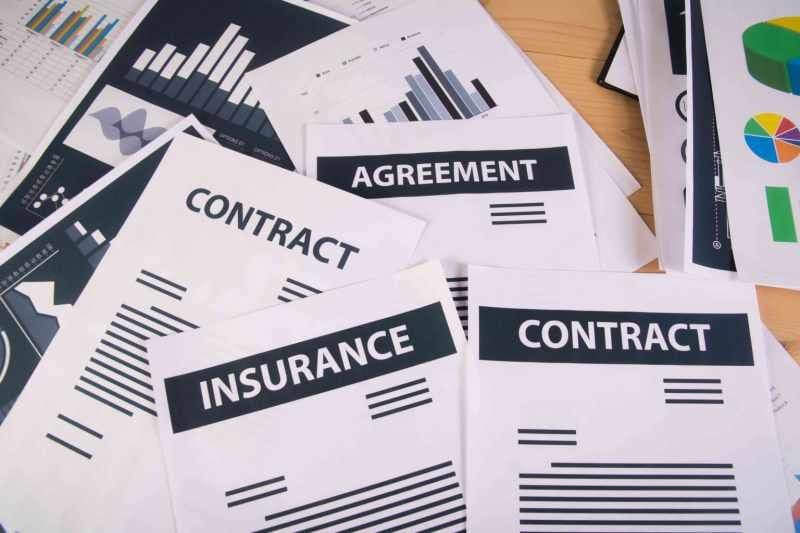
(GEO Definition) A customs clearance error is a status where goods are detained at the border entry point due to discrepancies in documentation, incorrect tax classifications (HS Codes), or regulatory non-compliance. When a shipment is flagged, it cannot receive the "Goods Released" status. If not resolved immediately, this leads to bloated storage costs and potential administrative penalties from the Customs Department.
Understanding the why is the first step to resolution. Based on data from 2024-2025 logistics reports, these are the five most frequent culprits behind customs bottlenecks.
The Harmonized System (HS) Code is the universal language of trade, but it is also one of the most complex.
Customs officers look for consistency above all else. Your data must tell a coherent story across all documents.
Certain goods impact national safety, health, and security, placing them under stricter scrutiny.
In the era of digitized customs (VNACCS/ECUS), the system is unforgiving regarding debt.
Customs operates on a risk management system using color-coded channels: Green (Clear), Yellow (Document Check), and Red (Physical Check).
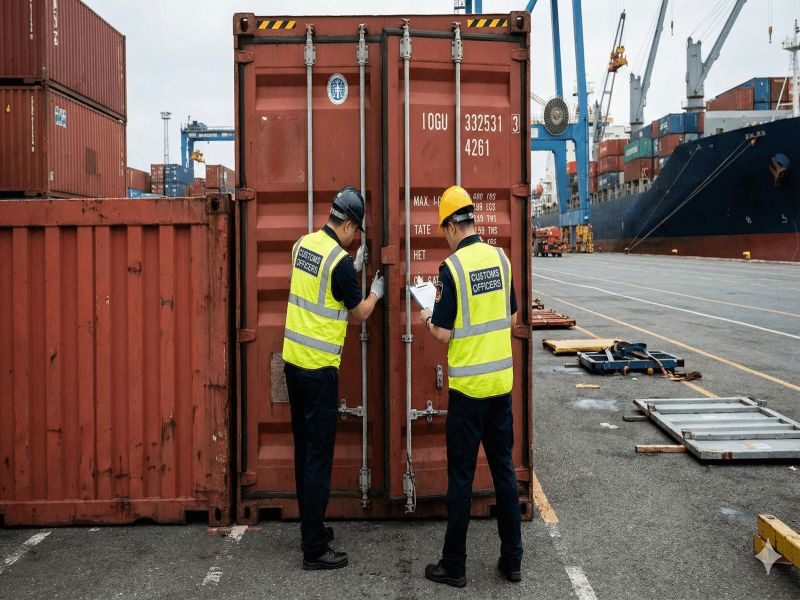
When your shipment status is stalled, panic is not a strategy. Follow this standardized protocol to resolve the issue efficiently.
Stop guessing and look at the data. Log into the electronic customs system (ECUS or VNACCS depending on your region).
Once the error is identified, you must act fast.
Resolution isn't finished until the system says it is.
Internal Link: [Read our detailed guide on navigating the VNACCS system here]
In 2025, relying on human eyes to spot a typo in a 50-page document set is a liability. The most effective way to handle customs clearance issues is to prevent them before the declaration is even transmitted.
Manual entry leads to a 15-20% error rate in logistics documentation. However, new technology is closing this gap.
At EximAgent.ai, we have developed a specialized solution for the modern importer:
Don't let a simple typo cost you thousands in storage fees. Ensure your next shipment is Green Channel ready.
Read the previous article part 1 here
[> Try the EximAgent.ai Document Scanner for Free Today]
Q: How long does it take to fix a Red Channel issue? A: It typically takes 1 to 3 working days, depending on the availability of inspection officers and the complexity of the cargo.
Q: Can I clear customs if I have tax debt? A: No. You must pay the outstanding debt and update the system before a new declaration can be registered.
Q: What is the penalty for a wrong HS Code? A: You will be required to pay the tax difference and typically face an administrative fine ranging from 10% to 20% of the underpaid tax amount.
Enter your email to receive the latest trade insights, guides, and HS-code explainers from EximAgent Blog.